Last Updated on 28/04/2026 by textileblog
Cotton fiber is one of the most important natural fibers in the textile world. It comes from the seeds of the cotton plant, and people value it for softness, breathability, absorbency, and easy dyeing. Cotton is used in clothing, home furnishings, and blended fabrics across global markets. In this article, we look at what cotton fiber is, how it is grown and processed, its main properties, common uses, and basic care tips that help cotton products last longer.
What Is Cotton Fiber?
Cotton is defined as a white fibrous substance covering the seeds harvested from the cotton plant. It is classified as a natural, cellulosic, monocellular, staple fiber. Many varieties of cotton are cultivated mainly from three important genetic species of Gossypium.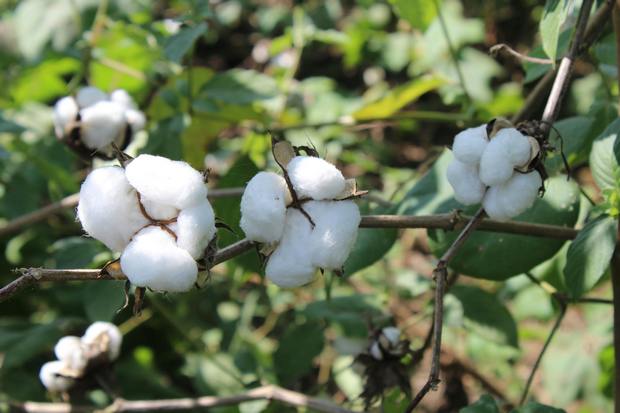
Cotton is the seed hair of the plant of the genus Gossypium. It is classified as a natural, cellulosic, monocellular, staple fiber. Different kinds and types of cotton are grown in various parts of the world. Variations occur among cotton fibers because of growth conditions, including such factors as soil, climate, fertilizers, and pests. The quality of cotton fiber is based on its color, staple length, fineness, and strength. Usually, longer fibers are finer and stronger. The particular kind of cotton is often identified by the name of the country or geographical area where it is produced.
Cotton falls into the category of seed hair, the only other fiber of this type being kapok. However, unlike cotton, kapok is very short in length and quite weak. Cotton is a soft, fluffy, staple fiber that grows on seeds enclosed in a form known as a boll. The cotton plant looks like a shrub and is popularly grown in tropical and subtropical regions around the world. The U.S.A., Peru, Brazil, India, Africa, and China all grow plenty of cotton. The fiber is most often spun into yarn or thread and is used to make a soft, breathable textile. Cotton is the most widely used natural fiber in clothing today.
Cotton in the Global Market
Worldwide, cotton is a fiber of significant economic importance. For many years it was more widely used than any other single fiber, but it has now been surpassed in production and use by the synthetic fiber polyester. Despite the growth of synthetics, however, cotton has continued to hold a large share of the world market and its image as a comfortable natural fiber.
Agricultural production of cotton continues to spread throughout the world. China was the number one producer, with the United States second. India, Pakistan, and Brazil are also significant producers. The cotton producers and importers in the United States support a global marketing program marked by the familiar Seal of Cotton logo. The seal is licensed by its developer, Cotton Incorporated, which also conducts research on better-quality fiber varieties as well as finishes and treatments to enhance cotton’s properties. Much of the U.S. cotton crop is exported to other countries, where it is manufactured into yarns, fabrics, and end products. China is an especially important target market for promotion efforts not only for raw fiber, but also increasingly for product developers who decide what fibers to include in their products.
Cotton Plant and Fiber Production
Cotton fibers grow on the seeds within the boll, or seed pod, of a plant of the botanical genus Gossypium. This plant is a member of the mallow family, related to the common garden hollyhock, hibiscus, and okra.
Each fiber is a single plant cell that develops as an elongation of a cell in the outer layer, or epidermis, of the cotton seed. These seed hairs are called lint. A secondary growth of much shorter fibers accompanies the growth of cotton lint. These fibers, which are too short to be spun into yarn, are called linters. The separation of lint from the seed is the key first step in turning harvested cotton into a usable textile fiber.
Types of Cotton Fiber
Many different species are included within the genus Gossypium, and each species of cotton includes many varieties that will produce different results under various field and weather conditions. Cotton breeders are continually working to develop new varieties with stronger and finer fibers.
Cotton fibers are sometimes classified according to the length to which they grow. Longer fibers command higher prices because they are usually also finer. Major classifications are short-staple, intermediate-staple, and long-staple fibers. Short fibers come from Asiatic species of cotton that are both short and coarse. The variety known as American Upland is of intermediate length and coarseness. This variety of cotton makes up by far the largest quantity of cotton fiber grown in the United States. Long-staple fibers include Sea Island, Egyptian, and pima, all of which are used for good-quality cotton fabric. Peruvian and Brazilian fibers also fall into this classification. However, the Peruvian variety, known as tanguis, has a slight crimp and rougher feel, somewhat like that of wool, with which it is sometimes blended.
How Cotton Is Grown and Harvested
For optimum growth, the cotton plant requires a warm climate with adequate rain or other water supply. A favorable distribution of rain is more important than the quantity of rain because the plant needs plenty of moisture during the growing season and warm, dry weather during harvesting. For this reason, cotton is also grown successfully in warm, dry climates with adequate water for irrigation.
Blooms appear on the plant from 80 to 110 days after planting. The blooms are creamy white or yellow when they first appear. From 12 hours to 3 days after the blooms have appeared, they have changed in color to pink, lavender, or red and have fallen off the plant, leaving the developing boll on the stem. Fifty to 80 days later, the pod matures and bursts open, and the cotton is ready to be picked. The mechanism that causes the opening of the cotton boll is not fully understood. It is believed to be related to hormonal changes in the maturing plant. Whatever the specific cause, the result is that the boll walls crack, the boll dries, and the cotton fiber is exposed, mature and ready for picking.
Failure to pick the ripened cotton promptly detracts from the quality of the fiber. A particular problem in growing cotton is the susceptibility of the plant to insect pests such as the boll weevil, necessitating the extensive use of pesticides. Over the past decade in the United States, the federal government partnered with cotton-producing states in a boll weevil eradication program that included targeted pesticide application and use of pheromone traps in an initial year. The success of the program is seen in significantly reduced use of pesticides in subsequent years, providing both environmental and economic benefits.
To facilitate harvesting, plants are treated with defoliants that cause a shedding of the leaves and prevent further development of the plant, or they are treated with desiccants that kill the plant by causing a loss of water from the tissue. When desiccants are used, the leaves remain on the plant and contribute to the trash content of harvested cotton, whereas defoliants remove and, thereby, decrease this material. Concern for the impact of pesticides on the environment has spawned interest in organic cotton. The United States has established criteria for cultivation practices for cotton that can be labeled organic. These include no use of pesticides or synthetic fertilizers and weed management without commonly used weed killers. Defoliation is accomplished through burning or frost. While organic cotton is preferred by some consumers, it is much more expensive and comparatively little is produced.
Picking of the cotton is done by either hand or machine. In the United States, cotton production and harvesting have been mechanized, but in other parts of the world, cotton planting, cultivation, or harvesting may still be done by hand. Technological and agronomic advances have vastly improved cotton cultivation to the point that the same amount of cotton can be grown on far less land than was required in the past.
Cotton Ginning and Quality Testing
Once the cotton fiber has been picked, it is separated from the cotton seeds by ginning. The cotton gin removes the fibers from the seeds. Cotton linters, too short for spinning, are used in making manufactured cellulosic fibers; as stuffing materials for mattresses, upholstery, and pillows; and in nontextile materials such as paper. Seeds are used for cottonseed oil and fertilizer.
The quality of cotton fiber varies not only as to the length and variety of fiber, but also as to physical condition from ginning; the amount of vegetable matter, dirt, and sand present; and color. The U.S. Department of Agriculture has established a classification system that provides information to the sellers and buyers of unprocessed cotton so they can determine its value and the requirements for further processing. Raw cotton is graded according to the trash content, color, ginning preparation, and brightness. Standards for length of staple fiber have also been established.
Evaluation of cotton quality has been made easier with the introduction of high-volume instruments for the automated measurement of length, strength, fineness, and color. Every bale of cotton ginned in the United States carries with it HVI data on the fibers in the bale. This is a major advantage for U.S. cotton in both domestic and foreign markets because yarn spinners can know the characteristics of the fibers they are buying and, therefore, how those fibers will process. Measures for fineness and maturity are made by an indirect method known as micronaire fineness. This is based on the air flow past a standard weight of cotton compressed to a standard volume. Under these conditions, fine and immature fibers will impede the air flow more than coarser fibers because they present a more tortuous path for the air through the sample. Lower readings indicate immaturity, and higher readings may be produced by fibers that lack the fineness required for some high-quality products. Micronaire ranges can be specified in developing cotton products for targeted end uses.
In the past many individuals working in jobs where they came into contact with large quantities of cotton contracted a serious lung disease called brown lung. Known medically as byssinosis, the disease is caused by toxins from bacteria or fungi associated with small fibers that are inhaled. Recent developments of machinery for processing cotton have focused on closed systems that protect workers from cotton dust exposure. Air quality is monitored, and legislative requirements for safe levels of exposure have been established under the Occupational Safety and Health Act (OSHA), so what was once seen as a pervasive problem in the cotton industry has been largely brought under control.
Cotton Fiber Properties
Cotton’s structure explains its comfort, durability, and care requirements. The fiber’s cellulose content and natural shape give it many of the qualities that make it useful in both apparel and home textiles.
Physical Properties
- Color: Cotton fiber is generally white to tan in color. During the 1990s naturally colored cotton fibers were developed by Sally Fox of Natural Cotton Colours, Inc., through selective breeding. Brown, tan, and green fibers were marketed under the name FoxFibre®. Naturally colored cottons do not require either dyeing or bleaching, processes that generate significant levels of wastewater.
- Shape: The length of an individual cotton fiber is usually from one thousand to three thousand times its diameter, which may range from sixteen to twenty microns. The fiber has a U-shaped or kidney bean-shaped cross-section with a central canal known as the lumen. During growth this channel carries nutrients to the developing fiber. After the fiber has reached its full length, layers of cellulose are deposited on the inside of the thin, waxy, exterior wall. The fiber grows much as a tree does, with concentric rings of growth. Each layer is made up of small fibrils, or minute fibrous segments. As these fibril layers are deposited, they form a complex series of spirals that reverse direction at some points. When the boll opens and the fiber is exposed to air, it dries and collapses into the flat shape seen in the microscopic view of cotton. The spiraling of the cellulose fibrils causes the characteristic twists, or convolutions, in the lengthwise direction of the fiber. These twists give the magnified cotton fiber the appearance of a twisted ribbon, and they make cotton easier to spin into yarns. Long staple cotton has about three hundred twists per inch; short cotton has less than two hundred. In spite of the twisted shape of the cotton fiber, it is relatively uniform in its size.
- Luster: The luster of cotton is low unless it has been given special treatments or finishes. This is, in part, a consequence of the natural twist of cotton and its resultant uneven surface that breaks up and scatters light rays reflected from the fiber surface.
- Specific Gravity: Cotton has a specific gravity of 1.54. This means that cotton fabrics feel heavier in weight than comparable fabrics made from polyester or nylon.
Mechanical Properties
- Strength: Strength of cotton on a scale of high, medium, and low would rank as medium. It has a fairly high degree of crystallinity but somewhat lower orientation. The strength is increased by the length of the polymer chains. In comparison with other cellulosic fibers, cotton is weaker than flax and stronger than rayon. Cotton is 10 to 20 percent stronger when wet than when dry.
- Modulus: Cotton fibers have a moderately high modulus, similar to that of polyester. This helps the two fibers to blend well. It also means that cotton fibers are not very stretchable.
- Elongation and Recovery: Like most other cellulosic fibers, cotton has low elongation and elastic recovery. Knitted cotton cuffs and bands may stretch during wear and care and may not recover fully.
- Resilience: Cotton fabrics also wrinkle easily and do not recover well from wrinkling. In stretching or wrinkling, hydrogen bonds between chains are broken then reformed in the new position, holding in the wrinkle or other deformation. Through the application of durable press finishes, however, resilience can be improved. Unfinished cotton fabrics generally must be ironed after laundering.
- Flexibility: Compared to many other fibers, cotton is fairly flexible. However, when fineness is taken into account, its bending resistance on a relative scale is high, affecting the drapability of cotton fabrics.
Chemical Properties
- Absorbency and Moisture Regain: Because of its many hydroxyl groups, which attract water, cotton is an absorbent fiber. Its good absorbency makes cotton comfortable in hot weather and suitable for materials where absorbency is important, such as towels. Cotton dries slowly because the absorbed moisture must be evaporated from the fiber. Due to their high absorbency, cotton fibers take waterborne dyes readily. The percentage moisture regain of cotton is 7 to 8 percent at standard testing conditions of temperature and humidity.
- Heat and Electrical Conductivity: Cotton conducts electricity and, thus, does not build up static electrical charges. It has moderately high heat conductivity, which makes the fabric comfortable in hot weather.
- Effect of Heat; Combustibility: Cotton is not thermoplastic and, therefore, does not melt. Exposure to dry heat at temperatures about 300° F, however, causes gradual decomposition and deterioration of the fiber. Excessively high ironing temperatures cause cotton to scorch or turn yellow. Cotton is combustible. It burns upon exposure to a flame and continues to burn when the flame has been removed. Burning cotton fabric smells like burning paper, and a fluffy, gray ash residue remains. It is not possible to distinguish cotton from other cellulosic fibers by burning.
- Chemical Reactivity: Strong acids degrade the fibers, producing holes in cotton fabrics. Organic solvents have no harmful effect, allowing cotton fabrics to be dry cleaned. Some chemicals are used in the finishing of cotton. For example, acids may be employed to stiffen permanently the cotton fabric called organdy. The reaction of cotton to strong bases, in which the fiber swells and becomes stronger with an increase in luster when the process is carried out under tension, is used for mercerization. The same process done without tension and under slightly different conditions has been used to make stretch fabrics. Dyestuffs that are too acidic in reaction cannot be applied to cotton fabrics.
Environmental Properties
- Resistance to Microorganisms and Insects: Mildew grows on cotton fibers, especially if they are stored under conditions of dampness, warmth, and darkness. This fungus stains the fiber and eventually rots and degrades it. Other bacteria and fungi that grow in soiled, moist areas will also deteriorate or rot cotton fabrics. Moths and carpet beetles do not attack cotton, but silverfish may eat the fiber. Heavily starched fabrics are liable to be damaged by silverfish.
- Resistance to Environmental Conditions: Although cotton shows better resistance to sunlight than do many fibers, extended exposure to sun will cause weakening and deterioration of cotton fabrics. Cotton draperies will last longer if lined with another layer of fabric. Age does not seriously affect cotton fabrics; however, it is important that the fabrics be stored in clean condition and in dry areas to prevent mildew. Special acid-free tissue paper can be used to store antique cotton garments, cotton quilts, and spreads. Ordinary tissue paper should not be used for wrapping fabrics for long-term storage because the paper contains an acid residue that may damage or yellow the cloth.
Other Important Properties
- Dimensional Stability: Cotton fibers swell considerably in the transverse direction when wet. Unfinished woven or knitted cotton fabrics will shrink in the first few launderings because the laundering releases tensions created during weaving or finishing. The relaxation of these tensions may cause changes in the fabric dimensions. Cotton fabrics can be given special finishes to prevent this relaxation shrinkage.
- Abrasion Resistance: Fabrics made from cotton generally have low abrasion resistance. Garments will show wear at hems, cuffs, and collars; all-cotton sheets will not be as durable as those that are blends with more abrasion-resistant fibers such as polyester. Cotton fabrics will not, however, pill badly.
Common Uses of Cotton
These features help explain why cotton remains popular in both casual and premium products. The range of items for which cotton fabrics are used is enormous. Its versatility and reasonable cost make it a popular fiber for many products. In wearing apparel, the qualities of comfort, dyeability, and launderability have led to its wide use in articles ranging from underwear to evening gowns. The familiar denim jeans, seen throughout the world, are made of all cotton, or mostly cotton, fabric. Many home furnishings such as sheets, towels, tablecloths and napkins, draperies, and upholstery and slipcover fabrics are composed entirely or predominantly of cotton, and all-cotton items are often considered premium products. Cotton is frequently blended with other fibers, especially manufactured fibers. This blending may be done to create cotton-like fabrics with better wrinkle resistance and dimensional stability. Increasingly cotton is blended with spandex to provide stretch for many apparel items. Various finishes developed for cotton can also compensate for less desirable qualities.
Cotton Fabric Care Tips
Good care also helps cotton keep its shape, comfort, and appearance for longer. Cotton can be cleaned successfully using either detergents or natural soaps, which are generally quite alkaline. The alkalinity of the detergents has no effect on the fiber. Dry cleaning solvents do not harm cotton, so where construction details or trim would make wet laundering undesirable, or when shrinkage is likely to occur, dry cleaning could be used.
Cotton’s lack of resiliency causes significant wrinkling in laundering. Care labels may recommend that consumers dry knitted cotton items flat because when hung on clotheslines they may stretch and not recover. Stains can be removed from white cotton using strong bleaches as long as water temperature, concentration of bleaching agent, and time of exposure are controlled. Strong chlorine bleaches should not be poured directly on cotton because pinholes can be formed in the fabric from direct contact with the bleach.
Conclusion
Cotton remains a cornerstone of the global textile industry because it is versatile, comfortable, and easy to process into many products. Its natural cellulosic structure gives it absorbency, dyeability, and everyday usefulness, while its weaknesses include wrinkling, shrinkage, and lower abrasion resistance than some blends. Understanding cotton fiber helps buyers, manufacturers, and consumers choose the right fabric and care for it properly. From denim and towels to blends and specialty finishes, cotton continues to be one of the world’s most trusted fibers.
References
[1] Collier, B. J., Bide, M., & Tortora, P. G. (2009). Understanding Textiles (7th ed.). Pearson Prentice Hall.
[2] Wang, H., & Memon, H. (Eds.). (2020). Cotton Science and Processing Technology: Gene, Ginning, Garment and Green Recycling. Springer.
[3] Bunsell, A. R. (Ed.). (2018). Handbook of Properties of Textile and Technical Fibres (2nd ed.). Woodhead Publishing.
[4] Gordon, S., & Hsieh, Y.-L. (Eds.). (2007). Cotton: Science and Technology. Woodhead Publishing.
[5] Basra, A. S. (Ed.). (2000). Cotton Fibers: Developmental Biology, Quality Improvement, and Textile Processing. CRC Press.
[6] Kadolph, S. J. (2016). Textiles (12th ed.). Pearson.
[7] Fang, D. D. (2018). Cotton Fiber: Physics, Chemistry and Biology. Springer.