Last Updated: April 21, 2026
Finding a clothing manufacturer without knowing what you need is one of the fastest ways to waste three months and a few thousand dollars on samples that never fit right. The manufacturer is not the problem in most of those cases. The brand showed up without enough information for either side to make a good decision. This is exactly where most people fail when learning how to find a clothing manufacturer for the first time.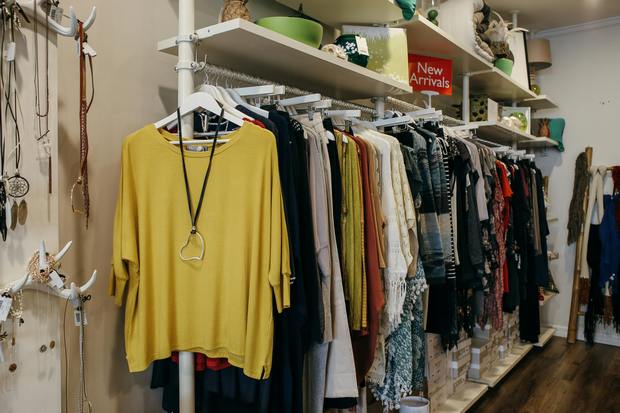
Before You Search: What You Need to Have Ready
A manufacturer’s first question is almost always about quantity. Your target MOQ determines which of their production lines you belong on. If you answer “it depends” or “I’m flexible,” you get quoted for their default minimum, which may be 500 units per style when you needed 50. That mismatch, caught in the first email, ends conversations before they start. Getting clear on this early is a key part of how to find a clothing manufacturer that actually fits your business.
Your fabric preference matters just as early. Saying “I want something soft and sustainable” puts the sourcing conversation back on the manufacturer, and most will either guess or offer whatever they already have in stock. Knowing you need 200 GSM French terry in organic cotton, or at least knowing you want a mid-weight knit with a GOTS-certified option, moves the conversation from vague to actionable within the first exchange.
The piece that trips up most first-time brands is the tech pack. You do not need a finished, professional tech pack to start a conversation, but you do need something drawn — flat sketches with basic measurements, seam placement notes, and a rough idea of construction. A manufacturer who gets a clear sketch can tell you in one round of emails whether your design is producible at your target price point. Without it, you are looking at multiple back-and-forth rounds just to establish what you are actually making, and that process costs you time and costs them resources they are not being paid for yet.
Budget range is the last piece. If your per-unit budget is $18 and the manufacturer’s floor for your product category is $35, you will not find that out until after the sample stage in many cases. Knowing your number and stating it early filters out the wrong partners before either side invests anything. This upfront clarity is what separates random outreach from a structured approach to how to find a clothing manufacturer.
Where and How to Actually Find the Right Manufacturer
Trade shows like Magic Las Vegas or Texworld USA put you in the same room as dozens of manufacturers and sourcing agents in a single day. The advantage is not the list of contacts you collect — it is the 10-minute conversations that tell you whether a manufacturer’s communication style matches yours before you commit to anything. A manufacturer who cannot explain their MOQ structure clearly at a booth will not explain it more clearly over email six weeks into sampling.
Industry directories like Maker’s Row and platforms like Sewport work differently. They are built for brands that are not yet ready to attend trade shows or do not have access to industry referrals. Sewport is the more useful of the two if you are sourcing internationally — it includes reviews from brands who already ran production at those factories, which surfaces quality gaps that directory listings never show. Maker’s Row stays domestic and lists minimum order details upfront, which saves one round of emails.
Referrals from other founders in your product category are worth more than most other sourcing channels, specifically because they come with context. If someone making sports textiles in a similar price range already worked with a manufacturer and had three successful production runs, that tells you more than a directory listing does. The limitation is that referrals only reach as far as your network, which for a new brand may not be very far.
The real difference between domestic and international sourcing is timeline, communication access, and per-unit cost. US-based manufacturers give you faster sample turnaround, in-person visits if needed, and no customs friction. For a brand doing its first run of 100 units in a complex construction, that access is worth paying a higher per-unit cost. International manufacturing makes more sense once your design is locked, your sizing is graded, and you are moving into larger quantities where the per-unit savings justify the longer lead times and shipping costs. Understanding this shift is another important layer of how to find a clothing manufacturer as your brand grows.
Arcus Apparel Group operates domestically out of Houston but also manages international production, which is useful for brands that start with a small domestic run and want to scale overseas without switching manufacturers mid-growth.
How to Evaluate, Vet, and Start the Conversation
Request a sample before committing to bulk, and pay for it. Manufacturers who waive sample fees sometimes fold the cost into your bulk order pricing, which obscures your actual per-unit cost.
On a first call, ask specifically how they handle fit revisions. A manufacturer who says “we do one round of revisions included” is telling you something important about how your production will run if the first sample is off. Ask how many rounds they typically need before a style goes to bulk. If the answer is “it depends on the design,” ask for a recent example — what design, how many rounds, why. Vague answers to specific questions are a reliable signal of how your production communication will go.
Certifications like GOTS, OEKO-TEX, or WRAP are not marketing details. If your brand is making sustainability claims to customers, your manufacturer needs to hold the certifications that back those claims. Ask for documentation, not just a logo on their website.
MOQ flexibility matters most if you are still testing. A manufacturer with a hard 300-unit minimum per colorway is not a fit for a brand doing its first run in two colors at 75 units each, no matter how good their sample work is. Arcus works with low minimums specifically because early-stage brands need to test before they scale, and forcing a brand into 300 units of an untested style is a setup for dead inventory on both sides. This is where a practical understanding of how to find a clothing manufacturer pays off the most.