What separates a garment that looks good from one that actually works is rarely visible at first glance. It lives in the details, how a seam is constructed, how a pocket holds its shape, how a fabric responds to movement. In apparel development, these decisions are not secondary. They are the foundation of a product that holds up in real life.
A shirt can photograph beautifully and still fail the moment someone puts it on. A seam that rubs, a cuff that twists, or a pocket that collapses after a few wears turns a promising product into a return. This is why technical design teams spend so much time evaluating body movement, fabric behavior, stitch integrity, trims, and end-use conditions before anything moves into production.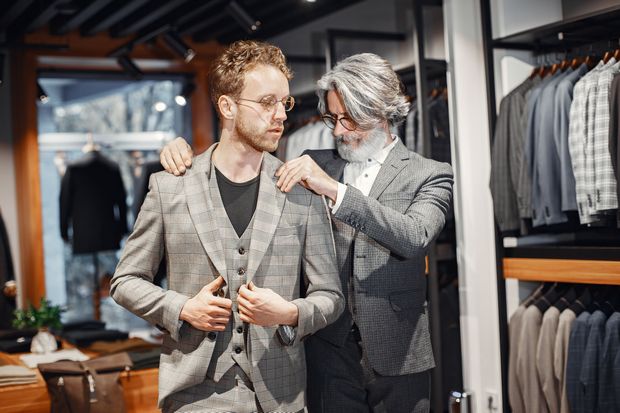
Fit sits at the center of this conversation. According to Coresight Research, size and fit account for 53% of online apparel returns, the single biggest driver in its apparel study. That figure alone makes a strong argument for treating fit as an engineering discipline, not just a sizing exercise.
Fit Goes Beyond Getting the Measurements Right
A garment cut to the correct size can still feel wrong on the body. Real wearability depends on how a design responds to movement, and that requires intentional fit engineering built into the pattern from the start.
Details like elastic inserts, gussets, articulated knees, shaped darts, stretch panels, and adjustable waist tabs allow garments to adapt as the body moves throughout the day. These features are especially critical in workwear, sportswear, uniforms, and travel clothing, categories where the wearer needs consistent comfort and freedom across a range of activities.
This is the same thinking behind well-built tactical jeans, which use reinforced panels, secure pocket systems, and a movement-oriented cut to handle demanding, active use without looking out of place as an everyday garment.
Pockets Are Structural, Not Decorative
Pockets are treated as style details far too often. In practice, they are load-bearing structural elements that face real stress during real wear. Poorly engineered pockets sag, distort, tear at the seams, or shift uncomfortably as the wearer moves.
Effective pocket design accounts for:
- Depth and access relative to the intended use
- Fabric weight and reinforcement at high-stress points
- Placement in relation to hip, thigh, or chest movement
- Closure type such as zipper, flap, snap, or hook-and-loop based on what the wearer actually needs
- Load balance when carrying a phone, wallet, tools, or other items
Trouser pockets should hold their position during walking. Inner jacket pockets need to sit cleanly between structural layers without pulling the outer shell out of shape. Chest shirt pockets require precise placement to stay flat when the wearer sits or leans forward.
Seam Construction Is Where Durability Is Won or Lost
Seams are under constant stress. How they are constructed determines both how long a garment lasts and how comfortable it feels against the skin. A weak seam breaks down after repeated washing. A bulky seam creates friction and irritation in exactly the places where it should not.
Different seam types serve different purposes. Flatlock seams reduce chafing in activewear. Lapped seams add strength in denim and heavy workwear. French seams protect raw edges in lightweight wovens. Double-needle lockstitch seams provide extra reinforcement at high-stress points like belt loops and pocket openings.
Seam allowance is equally important. Too little and the fabric frays. Too much and you create unnecessary bulk. The right balance depends on fabric type, garment category, and the level of stress the seam will face in regular use.
Trims Need to Perform as Well as They Look
Every button, zipper, snap, drawcord, label, and patch on a garment must hold up through actual use, not just pass visual inspection. A zipper should match the weight of the fabric it closes. A drawcord must handle repeated tension without fraying. A button must stay firmly attached through laundering and daily wear.
Trims also carry brand identity. Woven patches, for instance, can hold fine visual detail while remaining durable enough for uniforms, outerwear, bags, and lifestyle apparel. Their value is functional as well as visual, and a well-constructed patch reinforces product recognition without compromising the garment underneath.
Before bulk production, trims should be tested for pull strength, corrosion resistance, wash durability, colorfastness, and edge stability.
Fabric Choice Has to Match What the Product Is Built For
No amount of skilled detailing can overcome a fabric that is wrong for the purpose. Every other design decision builds on this choice. A commuter jacket needs abrasion resistance and weather protection. A summer shirt needs breathability and moisture movement. A work pant needs tear strength and shape recovery.
Key fabric properties worth evaluating include tensile and tear strength, stretch and recovery, air permeability, moisture management, pilling resistance, and colorfastness to washing, friction, and light. The strongest products align fabric behavior with the pattern construction around it. Stretch fabrics need careful grain control. Heavy fabrics demand planned seam placement. Lightweight fabrics often need reinforcement at stress points to prevent early failure.
Closures Shape How a Product Feels Day After Day
A closure that works poorly becomes a daily frustration. Sports jackets may need zipper pulls designed for gloved hands. Children’s clothing needs fasteners that are easy to manage independently. Medical apparel may require quick-release systems. Workwear often needs covered closures to prevent snagging on tools or surfaces.
Placement matters as much as the hardware itself. A zipper set at the wrong angle presses into the body. A waistband button without proper backing tears through fabric over time. These details seem small in isolation, but they shape how a product feels after months of regular use and whether someone reaches for it again or sets it aside.
Build Function In From the Beginning
Functional details improve clothing by making it fit better, last longer, and perform in the conditions people actually wear it in. Strong apparel design treats pattern construction, fabric selection, seam engineering, trims, pockets, and closures as one connected system, with decisions that reinforce each other rather than compete.
Good clothing is not just styled. It is built. When brands commit to function as a design principle from the very first stage of development, they create products that are more reliable, more comfortable, and more worth coming back to.
Conclusion
Functional details in clothing are what transform a garment from a stylish product into one that delivers lasting comfort, durability, and performance. From fit and fabric selection to seams, pockets, trims, and closures, every element plays a role in the user experience. When these details are thoughtfully engineered from the beginning, brands create clothing that not only looks good but also meets the practical demands of everyday wear.