Eco Textiles: A Greener Future to Sustainable Fashion
Arfan Ahmed Safin
B.Sc. in Textile Engineering
Department of Apparel Engineering
Textile Engineering College, Zorarganj, Chattogram
Introduction:
As the fashion industry continued to grow, it became one of the largest polluters globally. That’s why the industry urged a shift towards eco-friendly alternatives. The world’s largest textile hub is Bangladesh. The annual emissions from the garment industry of this country are estimated at a significant share of global carbon emissions, about 2 to 8%, according to UNEP, 2023. Also, the sector’s impact is amplified by the high volume of textile production and in densely populated areas like Dhaka. According to global analysis, the textile sector accounts for about 2 to 8% of global carbon emissions and around 20% of industrial wastewater pollution, according to UNEP, 2023. Eco Textiles aim to prevent these massive pollution and disrupt these trends by promoting sustainability and reducing environmental footprint.
This article is all about how this massive industry can move towards sustainability through unraveling the potentials of eco-textiles. For factories, the easiest starting point is to audit water, steam, and chemical use at machine level before upgrading the whole line.
“Eco,” an abbreviation for ecology, refers to the scientific study of how organisms interact with their surroundings. The term “eco-friendly” (or “ecology-friendly”) is applied to products and services considered to have minimal negative impact on the environment. Market-oriented goods labeled as environmentally friendly (sometimes called “eco-friendly” by certain authors) are designed to reduce environmental degradation. The development of these products involves a structured process that takes into account environmental impacts throughout the entire life cycle of the item. This approach aims to minimize ecological harm at every stage of production and use. Eco Textiles is not just planting trees or greenish the factory areas and using recycled or organic materials it has extended beyond that. The concept of Eco textiles encompasses the entire life cycle of a fabric, from raw material extraction to production, usage to disposal. In essence, eco textiles seek to be socially responsible and environmental clearance across the following aspects:
- Sustainable materials: This include biodegradable or organic natural source like bamboo, hemp etc.
- Energy usage efficiency: Minimal Energy and water consumption, low-impact dyes and closed loop systems.
- Fair manufacturing practices: Prioritize fair labor and animal welfare and well planned factory setup also transparent supply system.
- Harmless disposal: Biodegradable, recyclable or compostable materials ensure minimal environmental harm at disposal.
- Adapting modern technologies: Industries should show the parsimonious side when it comes to saving the nature and the people. Industries should adapt to new technologies that support sustainability and do less harm to the environment. And adapting to new and modern technologies Bangladeshi industries are really wanting.
Life Cycle of Eco Textiles:
a) Raw material Selection:
The classification of materials as “eco-friendly” can be based on several diverse criteria:
- The ability of the product to be renewed.
- The environmental impact of resources, measured by the amount of productive land required for a product’s complete development.
- The evaluation of a product’s eco-friendliness, determined by the quantity of chemical substances needed in its manufacturing process.
- In buying, certified chain-of-custody documents such as GOTS, OCS, FSC, or RCS help separate real eco claims from greenwashing.
Considering a cradle-to-gate analysis, worsted-processed wool yarn emerged as the material with the greatest impact on climate change/global warming potential, registering 95.70 kg CO2 eq/kg. Silk fabric followed closely behind at 80.90 kg CO2 eq/kg. When expanding the analysis to a cradle-to-grave scope, polyester exhibited the highest values in the aforementioned category, with a potential emission of 40.28 kg CO2 eq for each kilogram of polyester textile produced. The growing need for textiles also contributes to the wasteful consumption of finite resources, including the manufacture of artificial fibers derived from petroleum, which results in microplastic release during all phases of their existence. Instead of focusing on fast fashion trend we have to focus on sustainable fashion and should choose plant based organic cotton (produced without using pesticides) or hemp. Which can decrease the water usage and by focusing on sustainability & the waste or used product number will decrease. Durability and repairability should also be part of the design brief, because longer garment life lowers the total footprint more than a small fibre swap. The following fibers should be adopted for moving towards sustainability though Eco Textiles:
b) Organic cotton:
Organic cotton is produced without using harmful or artificial chemicals. Because of using natural fertilizers, it is not generally modified. The carbon footprint of this fabric is smaller than that of conventional cotton.
c) Bamboo:
Often grown with minimal chemical inputs and has antibacterial and biodegradable properties.
d) Hemp:
Hemp is also a renewable source, as it grows without fertilizers or pesticides and does not deplete soil nutrients.
e) Lycocell:
Lycocell comes from deriving the natural cellulose wood pulp, and it’s fully biodegradable and manufactured using a closed-loop process that uses fewer harmful processes.
f) Lenpur:
Lenpur is an environmentally friendly fiber because it’s made from the pulp of sustainable white fir trees.
g) Indeo Fibre:
It comes from nature and is produced by fermenting sugars from corn plants.
h) Recycled Polyester (rPET):
It’s a cycle of using used plastics; then again using it to produce fibers, and it can be used to produce a wide range of textiles and garments.
i) Econyl:
A regenerated nylon made from discarded fishing nets and industrial waste.
Eco Friendly Chemical Dyes and Finishes:
The world is moving towards a digital era as well as the textile sector should also get adopted by it. Digital colour matching and recipe optimisation can also cut lab dips and reprocessing. But textile dyeing and finishing are still responsible for about 20% of global wastewater pollution, according to UNEP, 2023. It takes about 125 liters of water to dye a mere kg of cotton. After all of this focusing on waterless dyeing and enzymatic treatments which replace the traditional chemical intensive process can solve the problems at once. Using eco-friendly chemicals, dyes, and finishes will be beneficial to the factories by reducing water pollution, energy use, and chemical waste. For low-impact production, mills should also prioritise right first time dyeing, pH control, and effluent reuse.
In this case the some of the notable solutions include:
- Natural dyes: Made from nature based sources like myrobalan or indigo, these dyes reduce the reliance on synthetic chemicals and petrochemical based processes. The majority of natural dyes are non toxic. Also Cultivating sustainable plant-based dyes can help support rural industries and keep traditional craft methods alive.
- Low impact fiber reactive dyes: These Synthetic dyes have a higher absorption rate which requires less water. They bond directly to the fiber, which decrease the chemical runoff. It’s also certified by standards such as “OEKO-TEX”, ensuring they meet strict safety and environmental guidelines. For export markets, compliance checks should also include ZDHC MRSL and REACH rules.
- Carbon dioxide based dyeing: Companies like DyeeCoo use SCCO2 (Supercritical Carbon dioxide) instead of water to dissolve dyes, which reduce the usage of water and the used supercritical carbon dioxide can also be recycled over 95% that have used.
- Eco friendly finishes: Foam dyeing and NO2 based dyeing reduce chemical usage and reduce the use of water on every branch. These advance methods can be apply different finishes such as washing and water repellents, using fewer harmful agents compared to traditional methods.
Eco Friendly Process Using Modern Technologies:
Upgrades of the older machines of the textile factories will help to reduce the environmental harm, aligning with sustainability. Replacing conventional machines in the textile industry with sustainable alternatives can significantly reduce the pollution rate of environment. The quickest return usually comes from machine level metering and preventive maintenance, because hidden losses often sit in steam leaks, idle running, and rewash cycles.
Some key machines that should be replaced or upgraded and the recommended alternatives:
a) Dyeing machines:
Using of Jet Dyeing, Winch dyeing machines consume high water, energy and Chemical and generate a significant amount of wastewater. Instead of using these for dyeing we should look forward to eco-friendly alternatives. The Supercritical CO2 dyeing machine uses less amount of water and chemical for dyeing process. Also the digital inkjet printing machines also can be a good alternative to make an impact on the environment.
b) Water-intensive washing machines:
Open width washers and overflow washing systems uses a significant amount of water and contaminant effluent discharge. Whether in the place of Open width washers and overflow washing system we can use enzymatic washing machines, which use enzymes instead of chemicals for pre-treatment process, reducing water usage. Closed-loop washing systems can also be a good alternative.
c) Steam boilers and heating systems:
Fossil fuel-powered steam boilers emit a huge amount of carbon. Instead of this heat recovery system can be adopted. As a result we can restore heat from exhaust gases, cutting energy consumption.
d) Spinning and fiber processing machines:
Ring Spinning and open-end spinning machines has some problems like high energy usage and release of microfibers into the environment making it a unsuitable for promoting sustainability. As a alternative the Compact spinning machines can be uses as it has lower energy consumption and waste during spinning. Also the Recycling Machines for fiber generation such as Green machine by HKRITA chemically separate cotton and polyester for reuse. Recycling works best when blends are kept simple and trims are easy to remove.
e) Fabric cutting and laser machines:
Mechanical cutters with manual control generates a lot of waste during cutting. As an perfect alternative we can change it to computerized laser cutting machines which has a higher precision, reducing fabric waste. Also the zero-waste pattern design software integration can also optimize the cutting patterns to minimize scraps.
f) Conventional Stenter Machines (Fabric Finishing):
Hot air stenter machines has a problem of high energy consumption during dying and finishing. While Infrared Dying system can provide more faster with less energy. Also the microwave dying technology reduces the energy consumption and time.
g) Waste management equipment:
Instead of using the manual waste handling or dumping methods. We should use Fabric recycling machines, which can regenerate fibers from discarded textiles. Also the automatic waste sorting machines, which can separate reusable materials effectively which promote sustainability. Separating pre-consumer and post-consumer waste at the source improves material recovery rates.
The implementation of these cutting-edge, environmentally friendly technologies can help textile sector progress towards more sustainable manufacturing practices. This shift will result in decreased water and energy consumption, reduced waste generation, and a lower carbon footprint.
Distribution and Retail:
Recent years have witnessed the emergence of textile companies committed to sustainability. These brands are adopting eco-friendly practices, incorporating ethically sourced and environmentally responsible materials into their products. Furthermore, they are embracing the 5R philosophy, which encompasses Reduce, Reuse, Recycle, Redesign, and Reimage, as part of their operational strategy. Like this a number of targeted strategies can adopt to drive sustainability, while encouraging use of Eco textiles. Product passports and QR codes can also show fibre content, care instructions, and end of life options, which helps shoppers buy better and return items correctly. These pathways include reducing environmental impact, increasing product lifetime and speaking to consumerism. Europeans now waste around 16 kg per year and use up about 19 kg of textiles every year, according to the European Environment Agency, 2024. While used clothing may be exported legally outside the EU, worldwide less than 1% of it is recycled because older sorting technologies hinder recycling and nearly all around 73% get land filled or incinerated.
At distribution and retail part, some things can be done to at least promote sustainability. These are:
a) Adding Circular Economy Principles in Retail:
Retailers can adopt product-as-a-service (rental options) or sell more secondhand and refurbishing initiatives. This extends product life and cuts down on fabric waste in line with circular economy ideals. These step is already taken bby some of the well known brands.(such as those of companies like Patagonia and H&M). Repair services and in-store take-back points make these models much easier to use in practice.
b) Sustainable Packaging:
According to organization for economic co-operation and Development (OECD) reports, packaging together with the textile industry have contributed significantly towards the plastic waste in our world being approximately equaling to about 40% of plastic waste linked to packaging, according to OECD, 2022. Supply-chains should be using materials that are recyclable or compost with proper care. Biodegradable packaging, made from cellulose or maize starch (among other sources) or even products derived from mushrooms decompose naturally in the environment and therefore send less waste to landfills. For example, brands may switch to reusable cloth bags or containers in the hopes of making a noticeable dent in single-use. Right sized reusable packaging also reduces transport emissions because fewer void fillers and lighter shipments are needed.
c) Green Logistics:
Procurement, inventory control, distribution, warehousing, transportation, packaging, and risk management are all included in logistics. The business activity of lessening the environmental impact of these activities is known as “green logistics” or “sustainable logistics.” Using electric vehicles for last-mile delivery and converting to sustainable packaging are two examples of green logistics tactics that an online retailer may implement to archive the goal of Eco Textiles. Route consolidation and local fulfillment centres can also cut fuel use without changing the product itself.
End Use and Disposal:
‘’Think globally, act locally’’ is the slogan of the future for the global textile industry. Fast fashion, specifically the textile industry is a major source of environmental pollutants and one way being unsustainable disposal methods. Bangladesh produces annually roughly 577,000 tons of textile waste, according to latest industry estimates from Reverse Resources and Bangladesh Apparel Exchange, 2024. Fashion brands have faced criticism around the world for their harmful waste disposal process. Some luxury brands, like Burberry (who were caught burning £26 million worth of unsold products in 2018), burn their clothing instead to keep up the price. Numerous fast-fashion retailers, Nike and H&M among them, also resort to burning unsold products. The emission of hazardous substances during this combustion process exacerbates air pollution and has an adverse effect on public health. Approximately 85% of textiles and textile products are landfilled each year in the United States, according to the U.S. EPA, 2024. Methane, a powerful greenhouse gas, is released as a result, greatly accelerating climate change. Design for disassembly, meaning mono-material fabrics, detachable trims, and durable seams, makes reuse and recycling much easier later.
In order to lessen the textile industry’s environmental impact, sustainable end-use and disposal methods must be encouraged. Consider the following important ideas and tactics to increase sustainability at the end of the product’s life:
- Clothing Take-Back Programs: An excellent strategy for sustainability is to gather sold goods and resale them after replacing the outdated ones. Recent days businesses such as Levi’s and H&M collect used apparel for recycling or reselling. They work best when brands sort returns into repair, resale, and fibre recycling streams instead of mixing everything together.
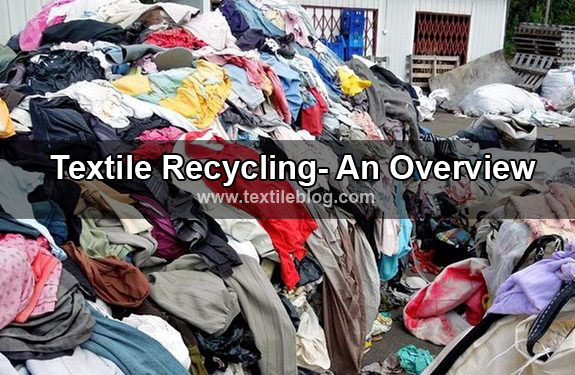
- Textile Recycling: Recycling can close the manufacturing loop by turning waste textiles into fibers or raw materials for new goods.
- Second-Hand and Resale Markets: By offering second-hand clothing, websites such as Poshmark and ThredUp encourage reuse.
Eco Textiles vs. Conventional Textiles: Environmental Metrics
| Aspect | Eco Textiles | Conventional Textiles |
| Waste | Closed-loop recycling ensures minimal waste. | Every year, 92 million tons of textile wastes are produced. |
| Energy Usage | Energy-efficient procedures (such as factories that run on solar power). | Polyester and other synthetic textiles use a lot of energy. |
| Water Consumption | Comparing organic cotton to conventional cotton, the former requires 91% less water. | One pair of jeans requires 1,800 liters of water. |
| Carbon Footprint | Fabrics made of hemp have no carbon footprint. | Every year, the fashion business releases 1.2 billion tons of CO2. |
Challenges Hindering the Growth of Eco Textiles:
1. Barriers to Cost:
Eco-friendly textiles are frequently more costly than traditional ones. This is because ethical manufacture, eco-friendly colors, and organic farming are more expensive. For instance, the price of organic cotton may be 20 to 30% higher than that of conventional cotton.
2. Insufficient Knowledge and False Information for Customers:
Many consumers find it difficult to distinguish between products that are marketed as green washing and those that are actually sustainable, even with the increase in eco-consciousness.
3. Restricted Scalability:
Since just about 1.4% of cotton produced worldwide is made from materials like organic, it is challenging to scale eco-friendly textiles without making large investments in supply systems and technology. Traceability tools and better certification systems are what make scale possible.
4. Supply Chain Complexity:
Eco-friendly supply chains need to be closely watched to guarantee environmental compliance, fair labor practices, and transparency at every stage. Digital traceability, QR codes, and supplier audits help make that control practical.
How Customers Can Encourage the Transition to Eco-Friendly Textiles
We have a vital responsibility as customers in encouraging the fashion industry to become more sustainable. The following are some doable strategies to help the eco-textile movement:
- Seek Certifications: The Global Organic Textile Standard, or GOTS, guarantees that textiles adhere to moral and environmental requirements.
- OEKO-TEX®: Attests to the absence of dangerous chemicals in the final product. For recycled content, GRS and RCS are also useful checks.
- Choose Sustainable Fashion and Minimalism: Putting attention on purchase fewer, better-quality, longer-lasting products. Sustainable collections from companies like Everlane and Eileen Fisher encourage minimalism. A good rule is to buy fewer pieces, choose repairable styles, and wash them less often.
Organizations Taking Noteworthy Strides Towards Eco Textiles
- Textile Waste Circular Economy Solutions: Addressing textile waste in the apparel sector, P4G and Bangladesh Apparel Exchange (BAE) join forces. “Closing the Loop on Textile Waste,” an initiative that envisions a world where most fabric wastes can be turned into fiber as good as or better than new. This project not only follows the principle of taking environmental responsibility but should also help advance a circular and sustainable business model that supports to reinvigorate an entire sector. The real value of such projects is not only waste diversion, but also the creation of clean feedstock for new yarns.
- Eighth Five-Year Plan (2020–2025): The promotion of sustainable production and consumption is one important aspect in Eighth Five. It contains guidelines to assist producers in cutting greenhouse gas emissions by half in order to maintain the 1.5°C trajectory. This matters because policy is what turns individual factory upgrades into sector wide change.
- Engage in Recycling Programs: A lot of companies have clothing return programs where used clothing is turned into new textiles (like H&M’s recycling program).
- Encourage Local and Open Brands: Small-batch eco-friendly collections are frequently created by local craftspeople, which lowers carbon emissions. Shorter supply chains also make traceability easier.
Conclusion:
Eco textiles signify a great revolution in the fashion industry as regards production, consumption and disposal. Material and machining process developments are laying the groundwork for a greener industry. The move to eco textiles is a step beyond environmental conservation; it is the evolution of human society towards greater equality and justice.
By working together-as consumers, businesses, governmental entities as well- the future of eco textiles will succeed to create a fashion sector that deeply value both environmental care and social responsibility. With further innovation and thoughtful consumerism, eco-textiles could help push the industry with real purpose towards being finally sustainable.
Frequently Asked Questions (FAQs)
Q1. What are eco textiles in sustainable fashion?
Ans: Eco textiles are fabrics designed to reduce environmental harm across the full life cycle, from fibre production to disposal. They use cleaner materials, lower impact dyes, and better reuse or recycling systems.
Q2. Which eco-friendly fabric is best for sustainable clothing?
Ans: Hemp, organic cotton, and lyocell are all strong choices, but the best option depends on the product and supply chain. Hemp usually needs fewer inputs, while organic cotton is easier to source at scale for many garments.
Q3. How can a textile factory reduce water pollution quickly?
Ans: The fastest wins are low liquor ratio dyeing, enzyme based pretreatment, better shade control, and effluent recycling. Factories should also measure water use machine by machine so the biggest losses are visible.
Q4. How do I know if clothing is actually sustainable?
Ans: Look for trusted certifications such as GOTS, OEKO-TEX®, GRS, or RCS, and check whether the brand explains fibre content, traceability, and recycling options. If the claim is vague, it is often greenwashing.
Q5. What happens to textile waste after clothes are thrown away?
Ans: The best routes are repair, resale, take-back, and fibre to fibre recycling. Garments with simple blends, removable trims, and durable construction are the easiest to keep in circulation.
References:
[1] E. R. 1. Ana Fonseca 1, “Sustainability,” Systematic Insights into a Textile Industry: Reviewing Life, pp. 13-24, 25 October 2023.
[2] “The business standerd,” [Online]. Available: https://www.tbsnews.net/thoughts/hidden-costs-fashion-bangladeshs-struggle-waste-and-pollution-869366.
[3] “BBC,” BBC, 2018. [Online]. Available: https://www.bbc.com/news/business-44885983.
[4] “The Round up,” [Online]. Available: https://theroundup.org/organic-cotton-facts-statistics/.
[5] “P4G(Pioneering Green Partnerships, investing in Impacts),” Closing the Loop on Textile Waste, 2023. [Online]. Available: https://p4gpartnerships.org/closing-loop-textile-waste.
[6] 2020 E. D. (GED), “Eighth Five-Year Plan (2020-2025),” Promoting prosperity and fostering inclusiveness , 2020.
[7] H&M, “H&M,” H&M, [Online]. Available: https://www2.hm.com/en_us/sustainability-at-hm/our-work/close-the-loop.html.
[8] T. g. trade, “The good trade,” The good trade, 7 10 2024. [Online]. Available: https://www.thegoodtrade.com/features/eco-friendly-clothing-brands/.