Last Updated: July 16, 2026
Woven patch is a small component used in apparel manufacturing, but they carry real product value. They support branding, product identification, decoration, compliance, and garment storytelling. In apparel production, they are used across uniforms, outerwear, denim, sportswear, children’s wear, bags, caps, and fashion accessories.
The global apparel market was estimated at USD 1.84 trillion in 2025, according to Grand View Research. That scale makes small trims important because they help products stand out in crowded categories.
What Makes Woven Patches Different
Woven patches are made by interlacing threads to create a design. They are different from embroidered patches, which use raised stitching on a base fabric. Woven construction allows finer detail, smoother surfaces, and sharper lettering.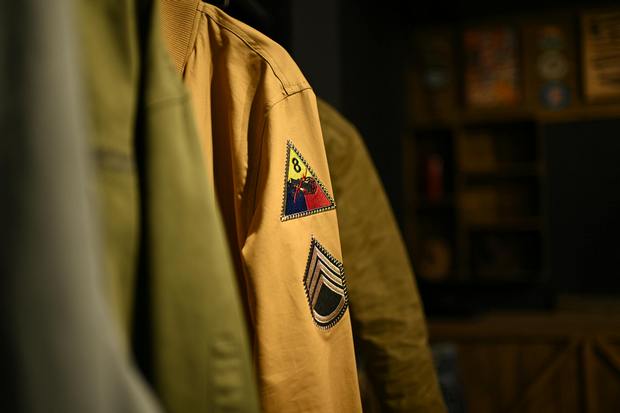
This makes woven patches useful for garments that need small logos, thin lines, detailed artwork, or clean typography. They are common where the brand mark must stay readable at a reduced size.
A woven patch usually has a thinner profile than an embroidered patch. This helps on lightweight garments, premium shirts, softshell jackets, schoolwear, and accessories where bulk is not wanted.
Branding and Identity Applications
Branding is the most common use. Apparel brands use patches to make products recognizable without relying only on printed labels or hangtags.
A patch can sit on the chest, sleeve, hem, waistband, back yoke, pocket, cuff, or cap front. Placement depends on garment category and brand position.
Common branding uses include:
- Main logo patches
- Collection labels
- Limited-edition marks
- Size or fit identification
- Team and club branding
- Workwear company badges
- School and institution marks
- Outdoor product series labels
Woven patches are especially useful when the logo includes small letters or complex artwork.
Functional Use in Workwear
Workwear needs durable identity. Printed graphics may crack or fade under heavy washing, abrasion, and outdoor use. Woven patches offer better surface stability when specified correctly.
They are often used on uniforms for security teams, maintenance staff, hospitality workers, transport crews, factory teams, and service technicians. The patch identifies the wearer, department, company, or job role.
For industrial garments, edge finishing matters. Merrowed borders add thickness and durability. Laser-cut edges give a cleaner modern profile. Heat-seal backing can support application, but stitched attachment is usually stronger for garments that face repeated laundering.
Fashion and Streetwear Applications
In fashion, patches are not only labels. They are design features. A small woven patch can signal craft, subculture, sports influence, outdoor heritage, or limited production.
Streetwear brands often use patches on hoodies, cargo pants, bomber jackets, caps, and overshirts. Denim brands use them on back pockets, waistbands, and jackets. Outdoor brands use them to mark product families or technical lines.
The advantage is texture. A woven patch adds a tactile layer without the heavier raised surface of embroidery.
Quality Factors in Patch Development
Patch quality starts with artwork conversion. Fine details must be simplified for weaving. Very small text, gradients, and thin outlines may need adjustment.
Key technical factors include:
- Thread count
- Weave density
- Colour accuracy
- Border type
- Backing type
- Patch thickness
- Wash fastness
- Abrasion resistance
- Heat resistance during pressing
- Sewing compatibility
Before bulk production, brands should approve a physical sample. Digital proofs cannot fully show texture, thread shine, edge quality, or real colour under light.
Attachment Methods in Garment Production
Woven patch can be attached in several ways in apparel. Sewing is the most reliable method for garments exposed to washing, friction, and stretching. Heat transfer backing is faster, but it depends on fabric type, heat setting, pressure, and wash conditions.
Adhesive backing is suitable for temporary use or packaging, not long-term garment wear. Hook-and-loop backing works for tactical garments, uniforms, and removable identity panels.
Factories should test attachment strength after washing. A patch that looks good after sewing can still curl, pucker, or detach if the backing and fabric do not work together.
Sustainability Considerations
Patches can support longer garment life when used for repair, relabelling, or covering minor defects. This is useful in circular fashion, resale, uniforms, and upcycled apparel.
Brands should consider recycled yarns, low-impact dyes, durable attachment, and mono-material planning where possible. A patch that helps extend garment use is better than a purely decorative trim that fails early.
Common Production Mistakes
The most common mistake is using artwork that is too detailed for the patch size. Another issue is placing stiff patches on soft or stretchy fabrics. This can cause distortion during wear.
Incorrect heat application is also common. Too much heat can damage synthetic fabrics. Too little heat can weaken adhesion.
Patch placement should be tested on a garment sample, not only on a flat table.
Conclusion
Woven patch is a versatile apparel component. They support branding, function, durability, repair, and design detail across many product categories.
The best results come from matching patch construction to garment use. Artwork, thread quality, backing, attachment method, and placement all affect performance. When developed correctly, woven patches add identity and value without compromising comfort or production efficiency.