A saree is not just a piece of clothing. It is a beautiful symbol of heritage. It represents grace, culture and timeless style. This traditional garment is made of about six yards of fabric. Women have draped it for many generations.
Fashion trends change very quickly today. What is popular this week might be forgotten next month. However, the charm of a classic saree remains completely untouched. It is an elegant outfit that always stays in fashion. Among the many traditional types of sarees available today, each reflects the rich cultural heritage, craftsmanship, and regional identity of India.
You might be dressing up for a grand family wedding. You might be attending a festive celebration. Or you might simply want to look elegant at a formal evening event. There is always a saree that fits your needs. It will suit you perfectly.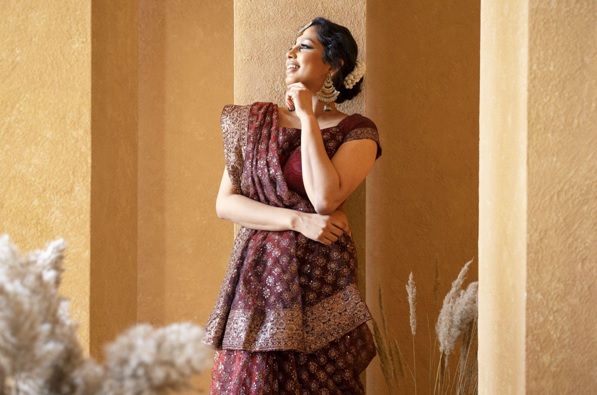
Different regions across India have developed their own ways of making these garments. They use unique weaving styles. They use special dye techniques and patterns.
Let us look closely at some of the most iconic, traditional types of sarees that deserve a place in your wardrobe.
1. The Royal Banarasi Saree
This saree comes from the ancient city of Varanasi. People love it for its pure luxury. Artisans weave these sarees using fine silk. They also use real gold or silver threads. These special threads are called zari.
The designs on a Banarasi saree are highly detailed. They often feature patterns inspired by nature. You will see flowers, leaves and climbing vines. Draping one makes you feel like royalty.
The heavy threads make these sarees look bright and full of shine. This lovely style makes them the top choice for weddings. They are very precious things. Mothers often share them with their daughters as family treasures.
2. The Vibrant Bandhani Saree
Do you love bright colours? Do you like playful designs? If so, the Bandhani saree is perfect for you. This style comes from the desert states of Gujarat and Rajasthan.
The word Bandhani comes from the Hindi word ‘bandhan’. This word means to tie. The process is very interesting. Artisans tie thousands of tiny knots on a piece of cloth. They use strong thread to do this.
Next, they dip the fabric into bright dyes. When they undo the knots, a beautiful pattern appears. You will see small, white dots across the fabric. These sarees do not feel heavy. They use soft cloth like cotton, georgette or silk. They are very easy to wear all day. They are perfect for warm days and family celebrations.
3. The Regal Kanjeevaram Saree
The Kanjeevaram saree is the queen of South Indian sarees. It comes from Kanchipuram. It is made from thick silk.
A true Kanjeevaram is famous for contrast. The body and border are different colours. This makes the design look bold and beautiful.
Weavers use gold threads to weave images of temples and peacocks. These sarees are strong. They have a natural shine that does not fade. Buying one is a brilliant investment.
When exploring different types of sarees, the Kanjeevaram always stands out for its rich texture. It is a must-have for weddings.
4. The Artistic Patola Saree
Patola sarees are masterpieces of weaving from Patan in Gujarat. These are double-ikat sarees. Both the vertical and horizontal threads are dyed before weaving starts.
The weaver must align the threads perfectly. This process is complicated. It requires great patience. A single saree can take several months or even a year to finish.
The result is a colourful, reversible saree. It features geometric patterns, elephants and parrots. The design looks the same on both sides. It is a rare piece of wearable art.
5. The Elegant Leheriya Saree
This is another beautiful creation from Rajasthan. The word Leheriya means wave-like. This name perfectly describes the pattern.
Creators use a cool tie-dye trick. They put bright, sloping lines on the fabric. These sarees usually have very bright and happy shades. You can get them in pink, yellow, red and orange.
These sarees are usually made on very light fabrics. Common choices are chiffon and georgette. This helps the fabric float softly when you walk. Leheriya sarees are very popular during the rainy season. They are also worn during festivals.
6. The Lightweight Chanderi Saree
Chanderi sarees come from Madhya Pradesh. They are famous for being incredibly light. They are also very sheer. This means they have a slightly see-through look.
Artisans weave these sarees using a mix of silk and cotton. They also use fine zari threads. This blend gives the fabric a soft texture. It has the elegant shine of silk.
Chanderi sarees often feature small, delicate motifs. These are called butis. Because they are so light, these sarees are very easy to drape. They are perfect for daytime events, office wear and summer festivals.
How to Style and Care for Your Traditional Sarees
Owning these beautiful pieces is wonderful. However, you must know how to look after them. Proper care keeps them looking new.
According to official data from the Ministry of Textiles’ All India Handloom Census, the traditional weaving sector supports over 35.22 lakh weavers and allied workers across the country. Over 72% of these dedicated workers are women who protect this heritage. To care for their beautiful handmade creations, follow these simple steps.
Never hang heavy silk sarees on metal hangers. This can stretch the silk. Fold them neatly. Wrap them in soft cotton cloth. Store them in a cool wardrobe.
Always dry clean your expensive silk sarees. This keeps the colours bright. It also protects the delicate metal threads from damage.
Conclusion
Fashion trends will always change. Yet, traditional types of sarees remain a favourite because they combine timeless elegance with India’s rich textile heritage. Each style tells a unique story of culture. It shows the patience of the artisans. Whether you love heavy silk or a light tie-dye look, these garments bring a sense of grace. Investing in these timeless pieces is a wonderful choice. You will always have the perfect outfit ready for life’s special moments.
To find your perfect style and start your collection, explore the stunning range of traditional drapes at KCPC Bandhani.