According to Bain & Company and Altagamma, brand-owned online platforms performed better than multibrand marketplaces in 2025, and direct online sales are stabilising in 2026 as brands tighten control over distribution. About half of luxury shoppers already use AI in their purchase journey, and two out of three of them use it to compare products.
Buying from a brand’s own store gives direct access to product information, alterations and service from the people who made the garment. For shoppers looking to buy designer wear, choosing a brand-owned store can also provide more detailed information about fabric, fit and construction. The Bain-Altagamma Luxury Goods Worldwide Market Study reports that brand-owned online platforms outperformed multibrand marketplaces in 2025. Independent houses such as the Budapest-based SAGIO fashion store sell their collections directly, so questions about fabric, fit and alterations go straight to the atelier.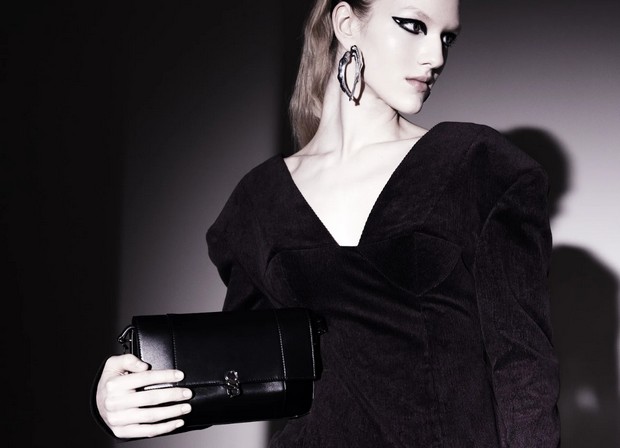
Why are designer brands selling directly in 2026?
Designer brands are selling directly to keep control over presentation, pricing and the client relationship. The spring 2026 update of the Bain-Altagamma study describes direct online sales as stabilising while brands tighten control over direct-to-consumer distribution.
Multibrand retailers sit between two forces in the same study: brands pulling back supply and shoppers who still want to browse many labels in one place. The State of Fashion 2026 report by The Business of Fashion and McKinsey & Company adds that more than half of fashion executives name customer retention as a key theme for the year. A direct store is where retention begins, one fitting question at a time.
What does a shopper gain by buying from the brand?
A shopper who buys from the brand gains the most complete information about each piece and direct access to the people who designed it. Brand stores usually publish full fabric composition, lining details and construction notes for every item.
Brand stores also offer services that sit outside the marketplace model: size advice from the atelier, alterations, made-to-measure versions and access to the full collection, including pieces kept exclusively for the brand’s own channels. Provenance is certain, because the garment ships from its maker. For a considered wardrobe, that direct line to the designer is part of what the price buys.
What do marketplaces still do well?
Marketplaces remain the most efficient way to compare many brands in one session. A single basket, unified delivery and frequent promotions make them convenient for discovery and for shoppers who know their sizes across labels.
Their assortment, however, depends on the stock that brands choose to release to them. Marketplaces work best as a place to discover a label, and the brand’s own store works best as the place to understand it.
How is AI changing the way shoppers find designer stores?
AI is becoming a standard step between discovering a designer and buying from one. Bain’s June 2026 research found that about half of luxury consumers already use AI in their purchase journey, and nearly all plan to continue.
About one in four luxury consumers use AI for brand and product discovery, and two out of three AI users rely on it to compare products. The State of Fashion 2026 draws the practical conclusion in one line.
The State of Fashion 2026, The Business of Fashion and McKinsey & Company: “These shifts make AI chatbot responses the new SEO.”
Stores that publish detailed, structured product information give AI assistants more to work with. A clear materials section is now read by software as closely as by shoppers.
How can you tell that an online designer store is legitimate?
A legitimate designer store publishes verifiable company, address and policy information in plain sight. The checklist below compares what each channel typically offers and what to verify before a first order.
| What to check | Brand-owned store | Multibrand marketplace | Resale platform |
|---|---|---|---|
| Depth of product information | Full composition, lining, construction notes | Standardised fields, varies by brand | Seller description and photos |
| Size advice | From the atelier or design team | Generic size charts | Measurements from the seller |
| Alterations and made-to-measure | Often available | Limited | Handled by the buyer after purchase |
| Pricing and promotions | Full price, seasonal sales | Frequent promotions | Below original retail |
| Returns | Brand policy plus EU withdrawal right | Platform policy plus EU withdrawal right | Platform policy, often limited |
| Proof of authenticity | Shipped by the maker | Authorised stock | Platform authentication |
Beyond the table, look for a legal notice with company details, a physical boutique or atelier address, stated delivery times and a visible withdrawal function, which EU law requires on online stores from 19 June 2026. A brand store such as thesagio.com publishes its boutique address, delivery times and a withdrawal request page, and every serious store should make those three things easy to find.
FAQs
Is it safer to buy designer clothes from the brand’s own website?
Buying from the brand’s own website removes any question of authenticity, because the garment ships from its maker. It also gives access to the brand’s full product information and size advice. Check the legal notice, the physical address and the returns page before the first order.
Are prices lower on marketplaces?
Marketplaces run frequent promotions, so individual pieces are often cheaper there during sale periods. Brand stores usually hold full price longer and discount at the end of a season. The trade-off is information and service: the brand store gives more detail on construction and more help with fit.
Can I get alterations when buying online from a brand?
Many designer brands with their own atelier offer alterations or made-to-measure versions, sometimes through an appointment at the boutique. Ask before ordering. Pieces made to your measurements usually fall outside the standard EU 14-day withdrawal right, so every detail should be agreed at the fittings.
How do I check a store’s address and company details?
Scroll to the footer and open the legal notice, terms of service and contact pages. A legitimate store lists a registered company, a physical address and an email for customer service.
Do brand stores offer the same EU return rights as marketplaces?
Yes. Every online store selling to EU consumers must honour the 14-day withdrawal right for standard goods and, from 19 June 2026, must provide an electronic withdrawal function. Brand stores often add their own free returns policy on top of the legal minimum.
Buying at the source
The shortest route between a garment and the person who wears it runs through the house that made it. At the source, the questions about fabric, proportion and fit have precise answers, and the answers come from the atelier. For a wardrobe built on structure and longevity, that precision is worth the extra click.
Sources
- Bain & Company and Altagamma, Luxury Goods Worldwide Market Study, November 2025
- Bain & Company and Altagamma, Luxury Goods Worldwide Market Study, spring update, June 2026
- The Business of Fashion and McKinsey & Company, The State of Fashion 2026, November 2025
- Directive (EU) 2023/2673 amending the Consumer Rights Directive, applicable from 19 June 2026