The Return of the Corset: Structured Silhouettes for the Modern Wardrobe
Regent Street on a black October night. Cold rain slicks the pavement. Headlamps blur through grey drizzle outside Soho bars. People bundle up in mass-produced puffer jackets and sagging wool coats. Then someone steps off the curb. Plain white cotton shirt, sharp black seams hugging the ribs, waist pulled clean and firm. No fuss. The old boned bodice left museum glass behind. Once written off as a brutal Victorian torturing frame, women took the garment back. They turned it inside out and brought it out onto the street. Corset does not crush your lungs. It does not snap your ribs. Today, it simply gives raw, architectural shape to everyday British tailoring.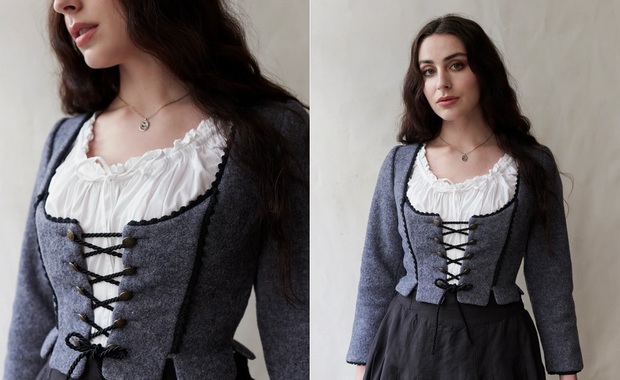
Reclaiming the Bodice: From Victorian Underwear to Streetwear
Historically, stiff foundation wear had one job: force living flesh into rigid social molds. Heavy steel plates, whalebone stays, and yards of petticoats clamped women tight. That era is dead. Modern wearers throw boned bodices right over baggy grey hoodies, crisp button-downs, and washed-out t-shirts. Outerwear, not secret underwear.
Good tailoring puts physical movement first. Flexible spiral steel coils move when you move. They give way when you sit down for lunch, then spring back straight when you stand up. Layering helps you survive unpredictable British weather. On hot July afternoons, pulling a light linen corset over a loose white shirt gives crisp structure without baking your skin. It cuts a clean geometric outline against wide-leg trousers. Boning can feel easy, breathable, and grounded in daily life.
Real Fabrics and Internal Boning That Actually Holds
High Street rails overflow with cheap polyester tops. Thin plastic bones inside them warp into wavy shapes after twenty minutes in a coffee shop chair. That is disposable rubbish. Proper corsetry demands heavy natural cloth, precise pattern drafting, and internal metal that snaps back straight every single time:
- Heavy Natural Shells: Thick flax, cotton canvas, cotton velvet, and dense wool hold real tension. They do not sag or stretch after three hours of wear.
- Spiral Steel Boning: Quality garments use internal steel spirals. They flex sideways when you lean over, keeping vertical lines clean without digging into skin.
- Multi-Panel Drafting: Cutting a pattern into ten separate pieces spreads structural tension across your torso. It keeps hip seams from pinching.
- Pure Linen Linings: Unbleached linen or cotton linings prevent skin friction. They let your skin breathe during long walks across London.
Darker textures work best once night falls. Nothing cuts through a crowd quite like ablack embroidered corset voriagh.com/en/collections/tops-bustiers worn with heavy leather trousers or a silk midi skirt. Intricate dark stitching, silver thread details, and contrast seams transform a plain top into proper evening armor. It mixes historic weight with modern lines. You get a sharp alternative to predictable evening dresses.
Practical Layering Formulas for the Contemporary Wardrobe
Styling a structured top takes very little effort if you respect scale. Tight on top means loose down below. Never match a pinched bodice with skin-tight denim. You end up looking like a costume extra. Keep lower proportions wide and easy:
- The Soho Office Hybrid: Put a neutral boned top over a stiff white poplin shirt. Tuck both into wide-leg grey wool trousers, then add dark leather loafers.
- Damp Weekend Casual: Pull a cotton bodice over a thick cable-knit turtleneck. Add dark raw denim jeans and a long wool coat for cold afternoon walks.
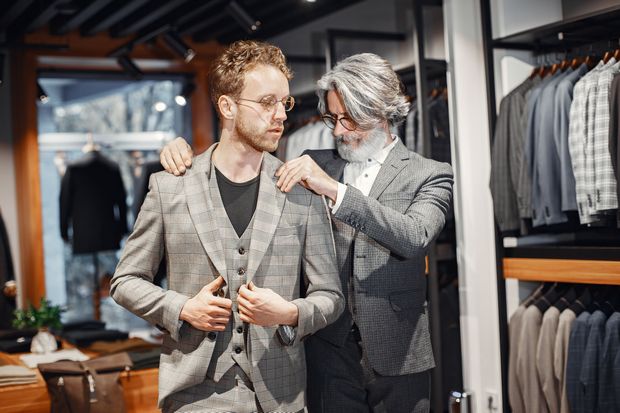
- The Gallery Opening: Match a dark velvet bodice with a sweeping pleated midi skirt. Throw an unbuttoned menswear blazer over your shoulders to relax the lines.
- Summer Garden Party: Pair an unlined flax top with high-waisted cream trousers and flat leather sandals for quiet sophistication.
Longevity, Flax Durability, and Garment Care
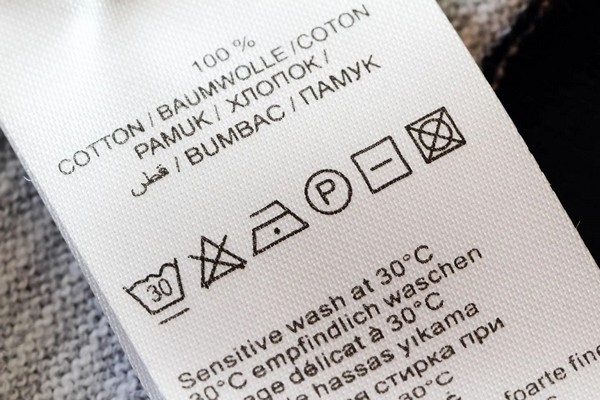
Structured clothes demand careful handling. Washing machines destroy boned garments on fast spin cycles. Heavy mechanical spinning twists internal channels, snaps plastic bones, and shreds hand stitching in minutes.
Natural textiles handle tension best over long periods. Heavy-gradecorset linen voriagh.com/en/collections/tops-bustiers stays a firm favorite among traditional tailors because flax fibers grow stronger when wet and resist daily friction. Spot clean your garments after wearing them. Take them to dry cleaners who understand old tailoring techniques. Store your bodices laid flat in wide drawers rather than hanging them on thin wire hangers.
Fashion trends change fast. But the return of structured bodices is not just another viral internet phase. It comes from a real desire for clothes that feel solid, deliberate, and built to last. Blending old tailoring skills with raw natural cloth gives you shape, physical ease, and clear personal presence.