In the nylon vs polyester carpet choice, nylon is the more resilient fiber. It springs back under heavy foot traffic, which makes it the usual pick for stairs, hallways and busy living rooms. Polyester is softer, holds bright color, resists water-based stains and costs less, but it crushes sooner and attracts oily soil.
Most comparisons stop at how each carpet feels in the showroom. The fiber also decides how the carpet stains, how it cleans and how long it looks new, so this guide covers both sides, along with olefin and wool, the other carpet fiber types you will see on a sample board.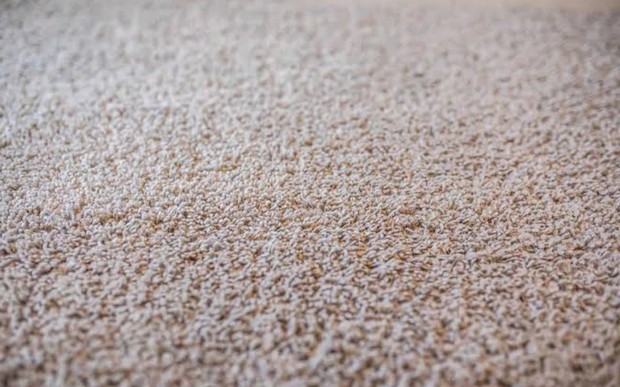
Nylon vs polyester carpet at a glance
The table compares the four most common carpet fibers on wear, stains and cleaning. Treat it as a starting point, because pile style, density and factory treatments change how any fiber performs.
| Fiber | Resilience | Stains | Cleaning notes | Best rooms |
|---|---|---|---|---|
| Nylon | Highest of the synthetics; springs back after crushing | Good with a stain-resist treatment; untreated nylon can take dye from red drinks | Tolerates hot water extraction well | Stairs, hallways, family rooms |
| Polyester | Lower; can mat in traffic lanes | Resists water-based spills; attracts oily soil | Cleans well, but greasy soil needs a proper pre-spray | Bedrooms, low-traffic living rooms |
| Olefin (polypropylene) | Low in cut pile, better in tight loops | Very colorfast, resists bleach; attracts oil | Low melting point, so avoid friction and high heat | Basements, rentals, loop berber |
| Wool | High, natural crimp | Hides soil; absorbs liquids | Needs gentle, low-pH products and controlled heat | Living rooms, bedrooms, formal rooms |
How nylon carpet performs
Nylon’s strength is resilience. The fiber bends under weight and recovers, so footprints and furniture dents fade instead of becoming permanent traffic lanes. That is why nylon dominates carpet for stairs and busy family rooms, and why it usually lasts longer than polyester in the same spot.
Its weak point is chemistry. Nylon has open dye sites, the same feature that lets factories dye it in deep, even colors. Acid dyes in red drinks, sports drinks and some foods can bond to those sites, which turns a spill into a permanent stain. Most nylon carpet is sold with a stain-resist treatment that blocks the dye sites, and that treatment wears down over years of traffic and cleaning, so older nylon stains more easily than new.
How polyester carpet performs
Polyester (PET) is naturally hydrophobic, so water-based spills tend to sit on the surface long enough to blot up. It holds bright, clear colors, it feels soft in thick cut piles, and many polyester carpets are made from recycled plastic bottles. It generally costs less than nylon of a similar style.
The trade-off is resilience. Polyester fibers flatten under repeated foot traffic and recover more slowly, so hallways and the path to the sofa can mat within a few years. Polyester is also oleophilic, which means oily soil from shoes, cooking and skin bonds to it. Traffic lanes on polyester often look grey and greasy rather than dusty, and they need a stronger pre-treatment to clean.
Where olefin carpet fits
Olefin, also called polypropylene, is solution-dyed, meaning the color is added to the polymer before the fiber is spun, so the color runs all the way through. Olefin carpet resists fading and even tolerates diluted bleach, which is why it is common in basements, rentals and outdoor rugs. It is usually the least expensive of the four.
Olefin shares polyester’s attraction to oil, and it has a low melting point. Dragging furniture across it or rubbing hard on a spot can leave a glazed, melted area. It performs best in tight loop styles such as berber, where the loops support each other, and it can crush quickly in a soft cut pile.
Wool and the other carpet fiber types
Wool is the natural benchmark. Its crimp gives it excellent resilience, it hides soil well and it feels warm underfoot. It is also the most expensive option and the most sensitive to cleaning chemistry. Wool absorbs liquids readily, and alkaline cleaners or too much heat can damage it, so cleaners use gentle, low-pH products and control the temperature.
Triexta (PTT) is a newer synthetic that sits between nylon and polyester. It is softer than nylon with better stain resistance than standard polyester, and it is worth asking about if neither of the two main options fits.
Cleaning and care by fiber
All four fibers benefit from the same basics. Vacuum often, blot spills instead of rubbing, and schedule hot water extraction roughly once a year in a busy home. The details differ by fiber. Nylon handles hot water extraction well. Polyester and olefin need a good pre-spray to release oily traffic-lane soil. Olefin needs a light hand with heat and agitation. Wool needs products made for wool and fast drying.
That difference shows up in the price. Many professional cleaners charge more for wool and for heavily soiled polyester because the job takes different chemistry and more time, and they note the fiber on the job record so the next visit uses the same method. Cleaners who price by fiber and room usually build those rates into their invoicing software for carpet cleaners, so the customer sees each room and treatment on the invoice instead of a single lump sum.
For cleaning companies, a short fiber guide on their own website answers the questions customers ask before they book, and it supports the service pages that bring in calls. It is one of the simplest pieces to add during website design for cleaning companies.
Which fiber to choose for each room
For stairs, hallways and family rooms with heavy foot traffic, choose nylon with a stain-resist treatment. For bedrooms and formal living rooms, where softness and color matter more than wear, polyester is a good value. For basements and rentals, olefin in a tight loop holds its color and cleans easily. In homes with pets, look for a dense pile and a stain-resist treatment in either nylon or triexta, and keep a cleaner on hand for accidents.
FAQs
Should I buy nylon or polyester carpet?
Buy nylon for high-traffic rooms and stairs, where resilience matters most. Buy polyester for bedrooms and low-traffic rooms where you want softness and bright color at a lower price.
Is wool or nylon carpet better?
Wool feels more luxurious and hides soil well, but it costs more and needs careful cleaning. Nylon is the more practical choice for busy homes, pets and stairs.
What is the difference between polyester and polypropylene carpet?
Polyester is softer and comes in more colors and cut-pile styles. Polypropylene (olefin) is solution-dyed, very colorfast and inexpensive, but it crushes more easily in cut pile and can melt under friction.