What Is Mercerization?
Mercerization is a unique textile finishing process that involves treating cotton or other cellulosic fibers with a strong alkali solution under tension. This process improves the luster, strength, and affinity for dyes of the fibers, resulting in a smoother and more even surface. By undergoing mercerization, cotton fibers are transformed into high-quality, luxurious textiles, making it a popular choice for clothing and home furnishings. It works best on cotton and other cellulosic fibers such as viscose and linen, while wool and polyester do not respond in the same way because their fiber chemistry is different.
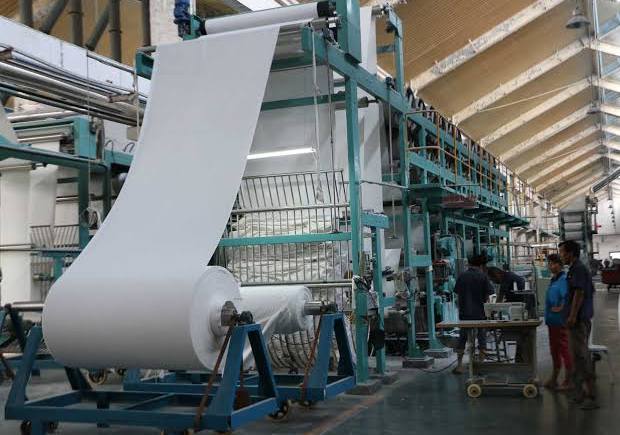
History of Mercerization
During the 12th century, the concept of mercerization was not yet known. However, cotton fabric was still produced through labor-intensive methods, which involved handpicking cotton fibers, spinning them into yarn, and weaving the yarn into fabric. The fabric produced through these methods was not as strong, lustrous, or colorfast as the mercerized cotton fabric we know today. Mercerization was first discovered by a British chemist named John Mercer in 1844. It was later refined for textile use by Horace Lowe in the late 19th century, according to Encyclopaedia Britannica, which is why modern mercerization is associated with keeping the fabric under tension.
Steps in Mercerization Process
The modern mercerization process involves several steps, which is outlined below:
Step 1: Fabric Preparation
The cotton fabric is first scoured properly, which involves washing it in hot water and the treatment with soap and other chemicals to remove any impurities or dirt from the fibers. It is then treated with a solution of sodium hydroxide, which causes the fibers to swell and become more receptive to subsequent treatment. In practice, good scouring is worth the time because any wax, sizing, or dirt left on the fabric can block the alkali and give an uneven finish.
Step 2: Mercerization Treatment
The treated fabric is then passed through a series of rollers while being held under tension. It is then immersed in a bath of sodium hydroxide, which causes the fibers to swell further and become more uniform in shape. This process also removes any natural impurities in the cotton fibers. This is the stage that gives mercerized fabric its characteristic compact look. Keeping the cloth under steady tension is the key point, because if the tension drops, the fabric can shrink and the luster will be patchy.
Step 3: Washing the Fabric
After the mercerization process is complete, the fabric is washed thoroughly to remove any residual sodium hydroxide. This is done to prevent any damage or discoloration of the fabric. A thorough rinse is often underestimated in practice, but leftover alkali can keep attacking cellulose and reduce fabric life.
Step 4: Neutralization
The fabric is then immersed in an acidic solution to neutralize the residual alkalinity and stabilize the fabric. After neutralization, mills usually check the pH again so the fabric does not carry hidden alkali into drying or dyeing.
Step 5: Drying and Inspection
The mercerized cotton fabric is then dried properly to remove water from the fabric. Then the fabric is ready for next process. For premium goods, the fabric is often inspected here for width, shrinkage, and surface sheen before it moves on.
Mercerization Liquor Recipe
Sodium hydroxide (NaOH) or caustic soda: 20 grams
Water: 80 ml
How to Prepare Mercerization Liquor
Add 20 grams of sodium hydroxide (NaOH) or caustic soda to 80 ml of water in a glass beaker.
Stir the mixture until the sodium hydroxide is fully dissolved.
The liquor is now ready to be used for mercerization of cotton or other cellulosic fibers. Handle this liquor with gloves, eye protection, and good ventilation, because sodium hydroxide is highly corrosive according to OSHA. In commercial dye houses, the liquor strength is controlled very tightly, since even a small change can affect luster and fabric strength.
Factors Affecting Mercerization
Suitable Temperature for Mercerization
Mercerization process is typically carried out at room temperature, as higher temperatures can cause the fibers to break down or dissolve in the alkali solution, leading to irreparable damage. On the other hand, lower temperatures may result in incomplete mercerization and a lower quality end product.
The temperature suitable for mercerization process can vary depending on the specific fibers and desired outcomes, but generally, a temperature range of 18-25°C (64-77°F) is recommended for best results.
It is important to note that the temperature and duration of the mercerization process can impact the final properties of the fibers, such as their strength, absorbency, and affinity for dyes. Therefore, it is crucial to carefully control the temperature and timing of the process to achieve the desired results. That range is broadly consistent with standard textile finishing practice. For many mills, the more practical rule is simple, keep the bath cool enough for controlled swelling and keep the fabric moving evenly through the line.
Why Tension Matters in Mercerization
Tension plays a critical role in the mercerization process of textiles. When cotton or other cellulosic fibers are immersed in a strong alkali solution, they swell and become highly reactive to the solution. By applying tension to the fibers during the mercerization process, the fibers are stretched and aligned in the direction of the applied force.
The tension applied to the fibers helps to improve their luster, strength, and overall quality. The fibers become more compact and aligned, resulting in a smoother and more even surface. Additionally, tension can help to prevent the fibers from shrinking or losing their shape during the process. The degree of tension applied during mercerization can impact the final properties of the fibers. This is why yarns, fine shirtings, knitted polos, and premium bed linen often show the most obvious benefit from mercerization.
Conclusion
Mercerization process improves strength and durability by increasing cross-linking between the fibers. The strength gain actually comes mainly from cellulose swelling and molecular realignment, not from chemical cross-linking, according to standard textile chemistry references. The process also gives the fabric a lustrous appearance, making it more attractive and easier to dye. Overall, mercerization is an important process in the textile industry, and it has contributed to the production of high-quality cotton fabrics and yarns. With its ability to enhance the appearance, durability, and comfort of cotton products, mercerization has become a staple in the textile manufacturing process. For best results, the process needs controlled alkali strength, steady tension, and thorough neutralization.
Frequently Asked Questions (FAQs)
Q1: What is mercerization in textiles?
Ans: Mercerization is a finishing process used mainly for cotton and other cellulosic fibers. It improves luster, dye uptake, and fabric appearance by treating the material with sodium hydroxide under tension.
Q2: What are the benefits of mercerization?
Ans: The main benefits are better shine, improved dye affinity, greater strength, and a smoother surface. It also helps cotton look more premium and gives a cleaner finish after dyeing.
Q3: Does mercerization make cotton stronger?
Ans: Yes, mercerization can increase the strength of cotton when the process is controlled properly. The effect is strongest when the fabric is held under tension and fully washed and neutralized afterward.
Q4: What chemical is used in mercerization?
Ans: Sodium hydroxide, also called caustic soda, is the main chemical used in mercerization. It is a strong alkali, so proper safety gear and handling are necessary.
Q5: What is double mercerization?
Ans: Double mercerization means the yarn or fabric is treated twice to improve luster and dye performance further. It is usually used for premium cotton products where a richer finish is needed.