Mattress cleaning requires more care than cleaning most household fabrics. A mattress contains several layers of materials, and each responds differently to moisture, heat, and cleaning products. A method that removes stains from a cotton cover may cause problems when the same moisture reaches the foam underneath.
For homeowners in Central Florida, humidity adds another concern. Mattresses need effective cleaning, but they also need to dry without trapping moisture inside their layers.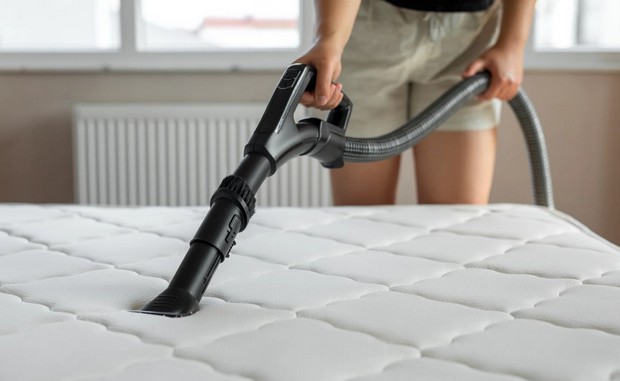
Choosing the right approach starts with understanding mattress construction, identifying the fabric, and knowing when professional treatment makes sense. For difficult stains or persistent odors, services offering mattress cleaning in Orlando, such as Pink Upholstery Cleaning, can assess the material and select a suitable cleaning process.
Understanding Mattress Fabrics and Their Properties
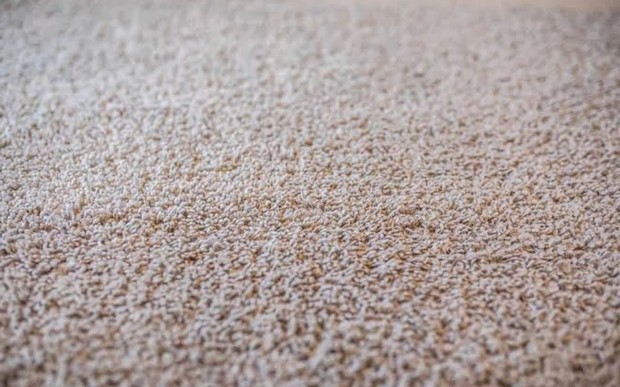
The visible surface of a mattress is commonly called ticking. This fabric covers the internal comfort and support layers while providing a comfortable sleeping surface.
Modern mattress covers often combine natural and synthetic fibers. Cotton offers softness and moisture absorption, while polyester provides durability and resistance to shrinking. Some covers include viscose, rayon, or other fibers to create a particular texture or feel.
The construction of the cover also matters. Knitted fabrics stretch and conform to the mattress, while woven materials generally have a more stable structure. Quilted covers combine fabric with padding, creating additional spaces where dust and body oils can collect.
These differences affect cleaning. An absorbent fabric can take in moisture quickly, while tightly constructed synthetic materials may hold oily residue near the surface. Thick quilting can also make it harder to remove cleaning solutions completely.
The most important distinction is between the mattress cover and the materials underneath it. Even when the outer fabric tolerates moisture, the underlying foam or padding may not.
Which Cleaning Methods Work Best for Different Mattress Materials?
There is no single cleaning method suitable for every mattress. The safest approach depends on the cover fabric, internal construction, manufacturer’s instructions, and type of contamination.
The following table compares common materials and the considerations that influence cleaning decisions.
| Mattress material | Main cleaning concern | Recommended approach |
|---|---|---|
| Cotton covers | Absorbs moisture and may develop water marks | Vacuuming and limited spot treatment when permitted |
| Polyester covers | Body oils can cling to synthetic fibers | Fabric-compatible treatment for oily stains |
| Cotton-polyester blends | Different fibers respond differently to moisture | Gentle cleaning based on the manufacturer’s instructions |
| Quilted ticking | Liquids can penetrate padding beneath the cover | Controlled spot treatment with minimal moisture |
| Memory foam | Trapped moisture and possible foam damage | Dry vacuuming and manufacturer-approved surface treatment |
| Hybrid mattresses | Multiple materials have different cleaning requirements | Inspect the cover and underlying layers before treatment |
The mattress manufacturer’s instructions should take priority over general cleaning recommendations. Some manufacturers specifically advise against applying liquids directly to their products.
For example, Serta warns that moisture and cleaning chemicals can damage foam components. This is particularly important when considering steam cleaning or hot water extraction.
Professional equipment does not automatically make wet cleaning appropriate. The technician must first determine whether the mattress construction can tolerate the proposed treatment.
How Mattress Stains React to Different Cleaning Products
Mattress stains are often more complicated than they appear. A visible discoloration may contain several substances that respond differently to cleaning agents.
Sweat stains, for example, can contain salts, skin oils, and other residues. The oily components may gradually attract additional dirt, creating yellow or darker areas on the fabric.
Body oils are particularly challenging on polyester-rich materials because polyester tends to attract oily substances. Water alone may not remove this residue effectively.
Beverage stains present another problem. Coffee, tea, and colored drinks can leave pigments that attach to textile fibers. Aggressive scrubbing may spread the stain or damage the fabric’s surface.
Urine contamination can extend beyond the visible mark. Liquid may penetrate the quilted cover and reach the padding underneath. Cleaning only the surface can leave odor-causing residue in deeper layers.
The correct treatment depends on the stain’s composition and how far it has penetrated. Strong chemicals, excessive scrubbing, and repeated soaking can make restoration harder.
Before treating a stain, homeowners should check the care instructions and test any approved product on an inconspicuous area. A clean cloth should be used to blot the affected surface without saturating the mattress.
When Professional Mattress Cleaning Makes Sense
Routine vacuuming and prompt attention to minor spills can help maintain a mattress. However, certain problems require more detailed assessment.
Persistent odors, extensive staining, and contamination that has reached the padding are difficult to address with basic household tools.
A professional cleaner should examine the mattress fabric, evaluate the affected areas, and determine whether the material can be cleaned safely. The decision should account for the cleaning solution, moisture level, extraction method, and drying conditions.
Pink Upholstery Cleaning, a local Orlando company, follows a fabric-focused approach. Its published mattress-cleaning process includes material inspection, vacuuming, targeted stain treatment, moisture extraction, and drying. The company also identifies a technician with IICRC Upholstery and Fabric Cleaning Technician certification.
This type of assessment matters because removing visible dirt is only part of the job. Cleaning should not leave behind excessive moisture or chemical residue.
Professional treatment also has limits. Deeply absorbed contamination may not be fully removable, and some mattresses are unsuitable for wet extraction. A responsible cleaner should explain these limitations before starting.
Why Humidity Changes Mattress Cleaning in Orlando
Drying is one of the most important parts of mattress care, especially in Florida.
Orlando’s humid climate can make moisture management more difficult when indoor ventilation or air conditioning is inadequate. If liquid penetrates the mattress padding, the surface may feel dry while deeper materials remain damp.
Trapped moisture can contribute to musty odors and create conditions favorable to microbial growth. This is particularly concerning in thick foam mattresses and heavily quilted constructions.
The U.S. Environmental Protection Agency recommends keeping indoor relative humidity below 60%, ideally between 30% and 50%, to help control moisture-related problems.
Air conditioning, dehumidification, and adequate airflow can support drying after a permitted cleaning treatment.
A mattress should never be covered with sheets or a protector while it remains damp. Doing so can restrict evaporation and trap moisture against the fabric.
Drying time varies with the mattress construction, amount of liquid used, room temperature, and indoor humidity. There is no universal drying period that applies to every mattress.
How Mattress Cleaning Differs From Other Upholstery Cleaning
Mattresses and upholstered furniture share many textile characteristics, but their internal structures create different cleaning requirements.
A fabric-covered headboard may have a relatively thin layer of padding over a rigid frame. A mattress can contain several inches of foam, quilting, and other materials that are difficult to access.
This difference affects how much cleaning solution can be used and how moisture can be removed.
Upholstered chairs and sofas may also include removable cushions, allowing more airflow around individual components. Mattresses generally have fewer options for separating and drying internal layers.
Fabric identification remains important for both applications. Cotton, polyester, microfiber, and blended upholstery materials can respond differently to stain removers, heat, and agitation.
Homeowners researching Smarfle’s upholstery cleaning listings in Maitland can compare local service providers when looking for help with fabric-covered furniture. Before booking, it is worth asking how a cleaner identifies upholstery materials and selects cleaning products.
A cleaning process suitable for a polyester sofa should not automatically be used on a mattress with a polyester cover. The materials underneath the fabric may require a different approach.
Practical Ways to Maintain Mattress Fabrics Between Cleanings
Regular maintenance reduces the amount of dust and surface residue that accumulates between deeper cleaning sessions. It also helps homeowners identify stains before they become more difficult to treat.
Several simple practices can make a difference:
- Use a washable mattress protector. A properly fitted protector creates a barrier against sweat, spills, and everyday dirt. Follow its washing instructions to protect any waterproof coating.
- Vacuum the mattress surface. Use a clean upholstery attachment and pay attention to seams, edges, and quilted areas where dust can settle.
- Address spills promptly. Blot excess liquid with an absorbent cloth. Avoid rubbing or adding large quantities of water to the affected area.
- Control bedroom humidity. Use air conditioning or a dehumidifier when needed, and maintain airflow around the bed.
- Check the manufacturer’s cleaning instructions. Follow restrictions on chemicals, water, heat, and removable covers. A cover with a zipper is not necessarily designed for machine washing.
- Inspect the mattress periodically. Look for new stains, persistent dampness, unusual odors, or visible material deterioration. These problems may need more than routine cleaning.
Maintenance should also include regular washing of sheets and other bedding according to their care labels.
A mattress protector is particularly useful because it can be removed and cleaned separately. This reduces the need to apply cleaning products directly to the mattress itself.
Choosing the Right Mattress Cleaning Approach
Effective mattress cleaning begins with the material, not the cleaning machine.
Cotton, polyester, quilted fabrics, and foam layers have different properties. Their construction determines how stains develop, how cleaning solutions behave, and how much moisture can be safely introduced.
For Orlando homeowners, the local climate makes drying and moisture control especially important. A successful cleaning process should address contamination without creating new problems inside the mattress.
Regular vacuuming, washable protectors, and careful spot treatment can handle much of the routine maintenance. When stains or odors require professional attention, fabric identification and an appropriate cleaning method should guide the decision.