Last Updated: March 19, 2026
Japanese streetwear has long held a unique position in the global fashion landscape. While many associate it with bold silhouettes, layered aesthetics, and cult brands, what truly sets it apart lies beneath the surface: the fabrics. Japan’s dedication to textile craftsmanship, innovation, and heritage has transformed everyday garments into pieces of art. From meticulously woven selvedge denim to military-inspired ripstop, the fabrics used in Japanese streetwear tell a story of tradition meeting modernity.
A Culture Rooted in Textile Excellence
To understand Japanese streetwear, one must first understand Japan’s deep-rooted relationship with textiles. For centuries, Japan has cultivated a reputation for exceptional craftsmanship, whether through silk kimono production, indigo dyeing, or handwoven cotton fabrics. This legacy continues to influence modern streetwear brands, which often prioritize fabric quality over mass production.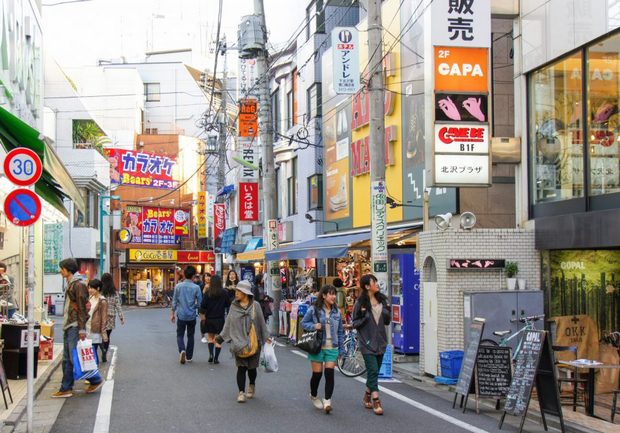
Unlike fast fashion, where materials are often chosen for cost efficiency, Japanese designers place immense value on the origin, texture, and durability of textiles. This approach results in garments that not only look distinctive but also age beautifully over time.
Selvedge Denim: The Crown Jewel
No discussion of Japanese textiles is complete without mentioning selvedge denim. Widely regarded as some of the finest denim in the world, Japanese selvedge is produced using vintage shuttle looms that create a tightly woven, self-finished edge—hence the term “self-edge” or “selvedge.”
What makes Japanese selvedge denim so special is the attention to detail. The weaving process is slower, allowing for greater control and a more textured finish. This often results in subtle irregularities, known as “slubs,” which give the fabric character. Additionally, many mills use natural indigo dye, which fades gradually over time, creating unique wear patterns.
Brands within the Japanese streetwear scene have embraced selvedge denim not just for jeans, but for jackets, caps, and even accessories. The fabric embodies durability, authenticity, and a connection to traditional craftsmanship—values that resonate deeply with streetwear enthusiasts.
Ripstop: Function Meets Fashion
On the opposite end of the spectrum lies ripstop, a fabric originally developed for military use. Characterized by its grid-like pattern, ripstop is engineered to prevent tears from spreading, making it both lightweight and incredibly durable.
Japanese streetwear brands have adopted ripstop for its functional appeal, often incorporating it into cargo pants, utility jackets, and technical outerwear. What distinguishes the Japanese approach, however, is the refinement of the material. Rather than relying solely on synthetic blends, designers experiment with cotton ripstop or hybrid fabrics that balance performance with comfort.
Ripstop perfectly illustrates how Japanese streetwear merges practicality with aesthetics. The visible grid pattern adds visual interest, while the fabric’s resilience aligns with the urban, on-the-go lifestyle.
Sashiko: Stitching as Structure and Style
Another textile technique deeply embedded in Japanese culture is sashiko. Originally developed as a form of reinforcement stitching for worn garments, sashiko involves intricate geometric patterns that strengthen fabric while adding decorative appeal.
In contemporary Japanese streetwear, sashiko has evolved into a design statement. Jackets, jeans, and shirts featuring sashiko stitching showcase a blend of heritage and modern design. The textured surface created by the stitching adds depth and uniqueness to each piece.
What makes sashiko particularly compelling is its philosophy: repair, reuse, and longevity. In an era increasingly concerned with sustainability, this traditional technique aligns perfectly with modern values.
Boro: The Beauty of Imperfection
Closely related to sashiko is boro, a textile practice that involves patching together scraps of fabric to extend the life of garments. Historically associated with rural Japan, boro textiles were born out of necessity. Over time, they developed a distinct aesthetic characterized by layered indigo fabrics and visible stitching.
Today, boro has been reinterpreted by Japanese streetwear designers as a symbol of authenticity and individuality. Each piece tells a story, with patches and repairs creating a one-of-a-kind look. The imperfect, worn-in appearance aligns with the broader Japanese concept of wabi-sabi, which finds beauty in imperfection and transience.
High-Density Cotton: Minimalism Elevated
While some fabrics stand out for their visual complexity, others shine through subtlety. High-density cotton is a prime example. Woven tightly to create a smooth, durable surface, this fabric is often used in minimalist garments such as shirts, trousers, and lightweight jackets.
Japanese designers excel at elevating simple materials. Through precise weaving techniques and finishing processes, high-density cotton gains a refined texture and structure that sets it apart from standard cotton fabrics. It holds its shape well, resists wear, and offers a clean, understated aesthetic.
This fabric reflects another key aspect of Japanese streetwear: the balance between simplicity and sophistication.
Technical Fabrics: Innovation at the Forefront
While deeply rooted in tradition, Japanese streetwear is also at the cutting edge of textile innovation. Technical fabrics—such as waterproof membranes, breathable synthetics, and heat-retaining materials—are increasingly integrated into designs.
What makes Japanese brands unique is their ability to blend these modern materials with traditional techniques. For instance, a jacket might combine a technical outer shell with indigo-dyed lining, or a pair of pants might feature both ripstop panels and sashiko stitching.
This hybrid approach ensures that garments are not only visually striking but also highly functional. It caters to a new generation of consumers who value performance as much as style.
The Role of Dyeing Techniques
Beyond the fabrics themselves, dyeing plays a crucial role in Japanese streetwear. Indigo dyeing, in particular, is a hallmark of Japanese textile culture. Unlike synthetic dyes, natural indigo produces rich, deep hues that evolve over time.
Other traditional dyeing methods, such as kakishibu (persimmon tannin dye), add further depth and variety. These techniques create colors that are both organic and dynamic, enhancing the overall character of the garment.
The emphasis on dyeing highlights a broader philosophy: clothing is not static. It changes, ages, and develops alongside the wearer.
Why Fabric Matters in Japanese Streetwear
At its core, Japanese streetwear is defined by its commitment to quality. Fabrics are not merely a foundation; they are the essence of the garment. This focus on textiles results in clothing that feels personal, durable, and timeless.
In contrast to trend-driven fashion, where garments are often disposable, Japanese streetwear encourages a deeper connection between the wearer and the piece. The way denim fades, the way cotton softens, the way indigo evolves—these transformations become part of the garment’s identity.
Conclusion: A Textile-Driven Philosophy
From selvedge denim to ripstop, the fabrics used in Japanese streetwear reflect a unique blend of tradition, innovation, and philosophy. Each material carries a story, shaped by centuries of craftsmanship and a relentless pursuit of excellence.
As global fashion continues to evolve, the Japanese approach offers a compelling alternative: one that values quality over quantity, process over speed, and substance over surface. In the world of Japanese streetwear, the fabric is never just a material—it is the soul of the garment.