Last Updated: June 23, 2026
The women’s apparel industry is supported by a complex supply chain that connects raw material production with global retail markets. From the creation of textile fibers to the distribution of finished garments, each stage plays a crucial role in ensuring that fashion products reach consumers efficiently. Understanding how this supply chain functions provides valuable insight into the structure of the apparel and the modern fashion industry and the relationships between manufacturers, suppliers, and retailers.
Textile Production as the Starting Point
Every apparel supply chain begins with textile production. Natural fibers such as cotton and wool, along with synthetic materials like polyester and nylon, are processed and transformed into yarns and fabrics. These materials form the foundation of all clothing products, including women’s fashion garments that appear in retail stores around the world.
Textile manufacturers focus on quality, durability, and cost efficiency when producing fabrics. Factors such as fiber selection, weaving techniques, and finishing processes influence the final characteristics of the material. In the women’s apparel sector, fabric quality is particularly important because it affects comfort, appearance, and overall product value.
Garment Manufacturing and Product Development
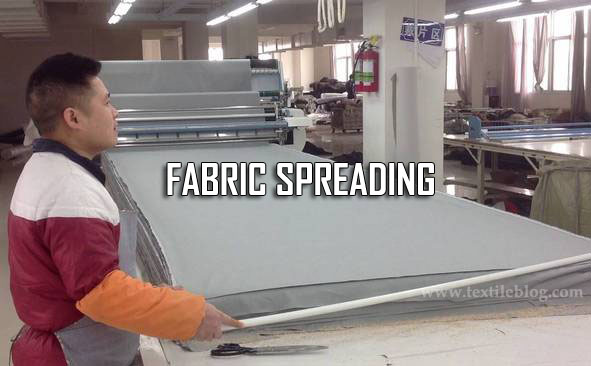
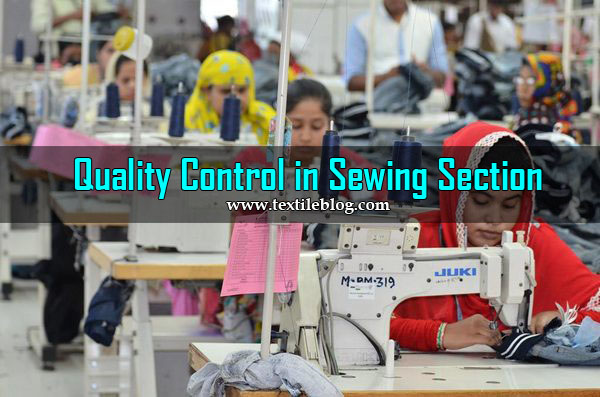
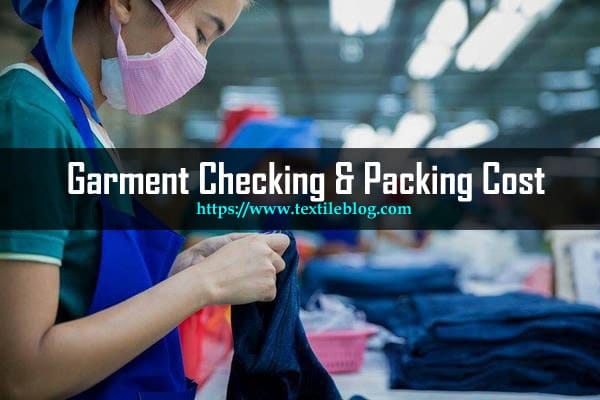
After fabrics are produced, they are transported to garment manufacturing facilities where the transformation from textile to finished apparel takes place. This stage includes pattern making, cutting, sewing, and quality inspection. Designers and production teams work together to convert raw fabrics into garments that match market trends and consumer expectations.
Manufacturing centers are often located in regions with established textile industries and skilled labor forces. Countries across Asia and other manufacturing hubs play an important role in global apparel production. These facilities are capable of producing large volumes of clothing while maintaining consistent quality standards.
For women’s fashion brands and retailers, manufacturing partnerships are critical. A reliable production process ensures that seasonal collections are delivered on schedule and that garments meet both design and durability requirements.
Logistics and Global Distribution Networks
Once garments are manufactured, the next phase of the supply chain involves distribution. Finished apparel must be transported from factories to warehouses, distribution centers, and eventually to retailers. Logistics companies coordinate international shipping, customs clearance, and inventory management.
Global trade has significantly expanded the reach of the apparel industry. Fashion products can be manufactured in one region and sold in markets thousands of miles away. Efficient transportation networks allow retailers to maintain inventory while adapting to rapidly changing fashion trends.
Warehousing and inventory management also play an important role during this stage. Distribution centers store products and organize shipments to retailers, ensuring that clothing items are available when needed. Effective distribution systems help reduce delays and improve overall supply chain efficiency.
The Importance of Wholesale Distribution
Wholesale distribution represents a key link between manufacturers and retailers in the women’s apparel supply chain. Instead of selling directly to individual stores, many manufacturers rely on wholesale partners to distribute their products across different markets. These wholesalers act as intermediaries who manage inventory, coordinate orders, and supply a wide range of retailers.
Retail businesses often collaborate with established womens clothing wholesale suppliers to access diverse product lines and maintain consistent stock levels. By sourcing apparel through wholesalers, retailers can offer a broader selection of clothing without managing large-scale manufacturing operations themselves.
Wholesale distribution also supports smaller boutiques and independent stores that may not have the resources to purchase directly from factories. Working with experienced womens wholesale clothing vendors allows these retailers to obtain fashion products in manageable quantities while staying competitive in the market.
Retailers and Market Access
At the final stage of the apparel supply chain, retailers introduce fashion products to consumers. Retail channels vary widely and include boutique stores, department stores, and online platforms. Each retailer selects inventory based on customer preferences, regional trends, and seasonal demand.
The retail environment has evolved significantly with the growth of e-commerce. Online platforms allow fashion businesses to reach global audiences, expanding opportunities for both wholesalers and retailers. At the same time, physical boutiques continue to play an important role by offering personalized shopping experiences and curated product selections.
Retailers must balance inventory planning with market responsiveness. Because fashion trends change quickly, businesses rely on efficient supply chain partnerships to maintain the right mix of products throughout the year.
How the Supply Chain Supports Fashion Retail
The women’s apparel supply chain functions as an interconnected system where each stage contributes to the final product available to consumers. Textile producers provide the raw materials, manufacturers transform fabrics into garments, logistics networks distribute products internationally, and wholesalers connect suppliers with retailers.
When these stages operate smoothly, the entire industry benefits from improved efficiency and greater product availability. Retailers gain access to reliable inventory, manufacturers expand their market reach, and consumers enjoy a wide variety of fashion choices.
Rather than operating as isolated businesses, companies within the apparel industry depend on long-term partnerships across the supply chain. Collaboration between textile producers, manufacturers, wholesalers, and retailers continues to shape how women’s fashion moves from production lines to store shelves around the world.